
The right singing bowl mallet depends on the bowl’s material and how you want to play it. A suede-covered wooden striker is a useful starting point for a metal bowl, while a crystal bowl usually calls for the rubber or silicone playing surface its maker recommends. The mallet’s length, head shape and grip matter more than an impressive-looking product bundle.
The three options below cover different jobs: rubbing the rim of a large metal bowl, drawing a sustained sound from a crystal bowl, and gently tapping a crystal bowl. These are specification-based recommendations, rather than claims of hands-on sound testing.
Choose by bowl and playing technique
- Large metal singing bowl: consider the Meinl SB-RM-LE-L, a 10.24-inch suede-covered wooden resonant mallet. Check its size against your bowl and hand before choosing it for a small instrument.
- Crystal bowl played around the rim: the Meinl CSBRHL has a silicone-coated playing section and an exposed glass handle. It is the large, 9-inch model.
- Crystal bowl played with individual taps: the Meinl CSBM combines a rounded rubber head with a wooden handle. It is a mallet, rather than a long rubbing rod.
If you already own a bowl, start with its instructions or the model of the supplied striker. A replacement that matches the original contact material is generally a more sensible first purchase than changing several features at once.
Meinl SB-RM-LE-L: a suede resonant mallet for large metal bowls
Meinl Sonic Energy SB-RM-LE-L Resonant Mallet, Large 10.24-Inch Suede, Single Mallet
As an Amazon Associate we earn from qualifying purchases.
The SB-RM-LE-L is the large version of Meinl’s suede resonant mallet. Its wooden body provides a firm grip, while the suede-covered section supplies the contact surface for rubbing a bowl’s rim. Meinl specifies a length of 26 cm, or 10.24 inches. The exact Amazon model is SB-RM-LE-L, rather than the shorter SB-RM-LE or extra-large SB-RM-LE-XL.
Choose this design if you want a dedicated rubbing tool for a larger metal singing bowl and prefer a wooden handle. Its length gives you more reach around a broad rim, although whether that feels comfortable depends on your grip and the bowl’s height. A short, lightweight bowl can be awkward to control with an oversized striker.
Main limitation: this listing identifies the mallet for large metal bowls and does not recommend it for crystal bowls. Do not assume that a leather covering makes every striker interchangeable across metal and crystal instruments. It also contains suede leather, which matters if you are avoiding animal-derived materials.
Meinl CSBRHL: a half-coated rod for crystal bowls
The CSBRHL is a glass rod with a silicone-coated playing section and an exposed glass grip. Meinl describes it for gentle tapping or rubbing of crystal singing bowls. The selected version is Large with Glass Handle. Fully coated rods and medium-length versions are separate choices.
This is the most directly relevant design here if your main technique is moving a rod around a compatible crystal bowl’s rim. The 9-inch length provides a substantial gripping area while keeping your hand away from the contact point. The silicone section, rather than the bare glass end, is the intended playing surface.
Main limitation: both the rod and the bowl need careful handling. A silicone coating does not make a glass core unbreakable. Keep it from rolling off a table, avoid contact between bare glass and the bowl, and inspect it for chips or exposed hard edges before playing. Choose the handle style you actually want rather than relying on a listing’s family photo.
Meinl CSBM: a rubber-headed mallet for gentle crystal-bowl taps
The CSBM uses a rounded rubber head on a wooden handle. Meinl lists the medium mallet at 7.8 inches, or 19.81 cm, and describes the rubber head for gently tapping crystal bowls. This is one mallet; a bowl, support ring and carrying bag are separate items.
It is a straightforward choice when you want discrete struck notes and a familiar mallet grip. The head-and-handle layout makes its purpose easy to distinguish from a straight resonant rod. If your bowl maker recommends a rubber-headed striker, it is worth comparing this model’s dimensions with the supplied tool.
Main limitation: a soft-looking head is not permission to strike hard. Start with a light tap and let the bowl ring. If sustained rim playing is your main aim, choose a rod designed for that technique and confirmed for your bowl instead of buying the CSBM solely because both products are called mallets.
What to check before buying
Contact material comes first
For metal bowls, wood, suede and felt accessories serve different playing preferences. A felt-headed beater is primarily a striking tool; a straight, evenly covered resonant mallet is easier to identify as a rim-rubbing tool. For crystal bowls, follow the bowl maker’s accessory recommendations, including any distinction between frosted and smooth-rim models. Avoid using a household stick or drumstick as a substitute on a fragile bowl.
Match the scale of the tool to the instrument
Compare overall length and head size with your current mallet. A longer handle can help you reach around a large bowl, but adds bulk when playing a small bowl held in one hand. Product labels such as small and large are relative to that manufacturer’s range; they are not universal compatibility standards.
Check what the package actually includes
Replacement mallets are commonly sold singly, even when a lifestyle photograph shows several bowls or accessories. Read the model number and quantity together. A crystal rod with an exposed handle, a fully silicone-coated rod and a rubber-headed mallet can appear in the same search results while serving different preferences.
Getting a cleaner start without changing equipment
Support the bowl as its manufacturer directs and keep your fingers from damping the rim. For rim playing, start gently and aim for steady contact instead of rapid, uneven movement. If the striker chatters, pause and reset your grip and contact pressure before trying more force. A little practice may tell you more about compatibility than immediately buying another accessory.
Keep contact surfaces clean and free of grit. Store the mallet separately enough that its hard handle cannot knock against the bowl, and replace a tool with loose covering, a damaged head or chipped glass. These are musical accessories; choose them for fit, handling and the sound-making technique you want to use.
Questions about singing bowl mallets
Can one mallet work with every singing bowl?
No single model can be assumed suitable for every bowl. The bowl’s material, rim finish and size all affect the choice. The large suede mallet above is identified for metal bowls; the CSBRHL and CSBM are crystal-bowl accessories. Follow the instructions for the specific bowl.
Does a larger mallet change the bowl’s musical note?
It can change how the bowl is excited and which parts of its sound are most noticeable, but buying a different mallet does not retune the instrument to a specified note. Choose size for controlled contact and comfortable handling, rather than a promised pitch change.
Which should I buy first?
Replace a lost mallet with the bowl maker’s recommended equivalent. For a large metal bowl, compare the SB-RM-LE-L with the original striker. For a compatible crystal bowl, choose the CSBRHL when rim playing is the priority and the CSBM when you primarily want gentle taps.
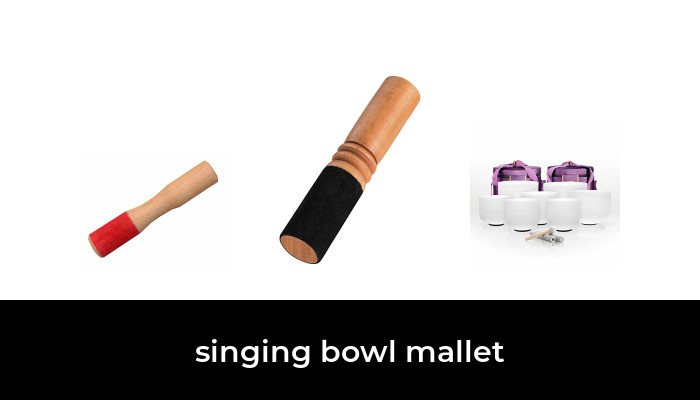
Image note: Relevant existing topic illustration retained; not a representation of exact current card contents.