
A small animal heating pad should be chosen for the animal and its living conditions, not simply because it fits inside a cage. A healthy indoor rabbit, guinea pig, or hamster may need better housing or a steadier room temperature rather than a heated surface. Start by checking whether extra warmth is actually necessary, then choose a product whose instructions support that species and setup.
This guide compares two identifiable options and explains their limitations. It is based on manufacturer instructions and animal-welfare guidance, not hands-on product testing. If an animal is unusually weak, limp, unresponsive, struggling to breathe, or otherwise unwell, contact a veterinarian promptly. A heating pad is not a treatment for illness, and guessing at rewarming can delay appropriate care.
Start with your pet’s needs
Rabbits: improve the shelter first
Dry, insulated, well-ventilated accommodation, appropriate bedding, and protection from wind and rain come first. The RSPCA’s rabbit winter guidance recommends considering rabbit-designed microwaveable pads when additional heat is needed. It also advises considering a move to suitable sheltered accommodation as temperatures approach freezing. Rabbits can overheat, so warmth must remain optional rather than covering their entire resting area. A rabbit that seems sleepy or limp may be ill; rabbits do not hibernate.
Guinea pigs: assess the whole environment
PDSA’s guinea pig winter advice emphasizes sheltered housing, dry bedding, and bringing animals into an appropriate protected space during bad weather. A warm patch cannot make an otherwise cold, damp enclosure suitable. Check the temperature where the animals actually live, including overnight. Discuss additional heat with a small-mammal veterinarian if age, poor condition, hairlessness, or illness makes their needs less straightforward.
Hamsters: keep the room stable
PDSA recommends a steady 18–21°C room temperature for hamsters, away from draughts and direct sunlight. This is an environmental range, not a heating-pad setting. Overheating a small enclosure can leave a hamster with nowhere to escape; excessive cold can lead to dangerous torpor. Neither product below is a blanket recommendation for hamster cages. Get species-specific advice before adding localized heat, particularly beneath deep bedding or a plastic enclosure.
Reptiles: use a separate, species-specific heating plan
Reptiles need a carefully monitored temperature gradient and equipment appropriate to their species and enclosure. The Merck Veterinary Manual’s reptile housing guidance describes these needs. A mammal warming pad is not automatically suitable, and a reptile under-tank heater should not be repurposed for a rabbit or rodent without explicit manufacturer support and veterinary advice.
Two options worth checking closely
These are conditional choices, not a universal ranking. Read the current instructions supplied with the exact product before purchase. Covers, replacement parts, and similarly named models may appear in the same retailer search results.
SnuggleSafe Microwave Pet Heating Disc: a cord-free option

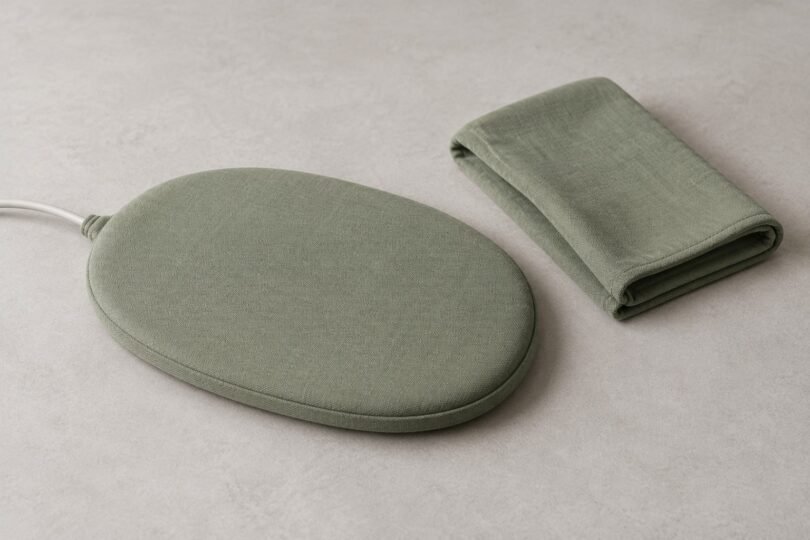
SnuggleSafe Microwave Pet Heating Disc, model 56506250, 1 Pad with Cover
As an Amazon Associate we earn from qualifying purchases.
Best considered for: a mobile animal that needs supplementary warmth, where the disc can be covered correctly and the animal cannot chew it. The official US distributor specifically includes rabbits among its intended users.
The verified Amazon listing is ASIN B00008AJH9, model 56506250, one heating pad with cover. Its listed dimensions are 8.75 × 8.5 × 1.5 inches. It has no electrical cord during use; a microwave supplies the initial heat. The distributor advertises warmth for up to 10 hours, but surrounding conditions affect cooling, so do not use that claim as a checking interval.
The SnuggleSafe instructions require the heating time matched to your microwave’s wattage, a one-minute rest after heating, and complete cooling before reheating. Never let an animal touch the bare disc. Use the specified cover or suitable intervening bedding, and do not allow chewing. The instructions recommend replacement after three years and advise against use with unconscious or anesthetized animals.
Trade-off: no accessible power lead, but careful microwave preparation and inspection are still essential. “Cord-free” does not mean burn-proof.
Read the official US distributor’s information
K&H Small Animal Heated Pad: a rigid electric option
Best considered for: a compatible, mobile small mammal in a setup that can meet the electrical, bedding, and escape-space restrictions. K&H identifies rabbits, guinea pigs, and ferrets among its intended animals.
The current manufacturer listing is SKU 100537838, 9 × 12 inches, 25 watts, 110–120V AC. It is a rigid pad with internal thermostatic control for indoor or sheltered outdoor use. The optional Small Animal Deluxe cover is a separate accessory. The steel-capped portion of the lead does not protect every accessible length or make the setup chew-proof.
K&H requires a hard, flat surface protected from rain and snow, with the pad covering no more than half the enclosure. It warns against use with combustible bedding such as hay, straw, wood shavings, or reclaimed wood pulp, and against extra blankets over the pad. These restrictions can make it unsuitable for a normal bedded small-mammal enclosure.
Trade-off: ongoing powered warmth, but a much more demanding placement decision. Do not remove essential bedding just to make a product fit the habitat.
Check the exact K&H pad and restrictions · Read its instruction manual
How to decide whether a pad belongs in the enclosure
- Write down the actual problem. Is the room too cold, is bedding becoming damp, or has your veterinarian recommended supplementary warmth? A localized heater will not fix draughts, leaks, poor ventilation, or inadequate housing.
- Match the exact species and model. “Small pet,” “puppy,” or “cat” in a listing is not evidence of suitability for every rodent. Ask the maker about your enclosure material and bedding if its instructions leave a gap.
- Plan an unheated resting area. The animal must be able to move fully away from the pad without losing access to shelter, water, or companionship. In shared housing, another animal must not block that route.
- Account for chewing. Inspect the pad, seams, cover, plug, and full cable route. Stop using equipment showing damage. If the animal can reach vulnerable wiring or repeatedly chews the cover, choose a different arrangement rather than trusting a “chew-resistant” label.
- Check the exact recall identity. Search the CPSC recall database using the brand and model on the label. Similar product names do not establish that a recall applies, and an old shopping review is not a recall check.
Use the instructions for that heater, not a generic temperature rule
There is no single pad temperature appropriate for rabbits, guinea pigs, hamsters, reptiles, and recovering animals. Room temperature, the animal’s ability to move, contact time, insulation, and product design all matter. A thermostat or timer is useful only within the system it was designed for. Never bypass controls or improvise a controller connection.
For the K&H unit, the manual requires an appropriately grounded, outdoor-rated outlet when used outside the home, keeping the cord out of the shelter, and unplugging before cleaning. Do not immerse the unit. Use only manufacturer-approved mounting arrangements; do not puncture the heated housing or improvise cage wiring. Resolve unclear installation instructions with the manufacturer before use. Follow its extension-cord warning and arrange a suitable outlet instead.
For the SnuggleSafe disc, follow the complete microwave directions, including permitted microwave power and heating mode. Never add extra heating time because the weather is cold. If the disc is distorted or leaking, follow the overheating precautions and do not give it to an animal.
Monitoring matters after installation
Observe the animal closely when introducing any heat source and check the setup regularly afterward. Measure the surrounding environment with an appropriate thermometer; a quick touch test alone cannot establish ongoing safety. Recheck when weather, room heating, bedding, or enclosure layout changes. Stop use if the animal avoids the area, the equipment smells unusual, moisture reaches the electrical setup, or any part is damaged.
VCA warns that heating pads can cause burns, including in sleeping pets. Human heating pads should not be substituted without explicit manufacturer suitability and veterinary guidance. Newborn, sick, recovering, sedated, or immobile animals require a veterinarian’s warming plan; the ability to move away cannot be assumed.
If overheating or a burn is suspected, remove the heat source if safe and contact a veterinarian immediately. PDSA treats heatstroke as an emergency. Do not wait for a pad’s timer to switch off or for the animal to move by itself.
Bottom line: choose suitable housing first. When extra warmth is justified, a covered microwave disc or a correctly installed species-appropriate electric pad may help, but either must leave the animal a comfortable escape from heat and allow reliable daily care.