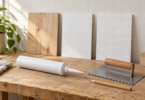
A good staple gun for women is one that fits the user’s hand, the material and the amount of stapling involved. Handle reach and operating force are more useful buying criteria than color or a gender label. A tool that feels comfortable for a few staples may still be a poor choice for a whole upholstery project.
Start with three different approaches: the Arrow TT21 TruTac for push-style light-duty fastening, the older DEWALT DWHT80276 for a conventional manual tacker with a reduced-effort design, and the Arrow T50ACD when you want electric assistance. The right choice depends on how you can position and control the tool, as well as which fasteners your project needs.
Which type should you consider first?
- Small craft or fabric projects: consider the TT21 if its JT21 staples suit the material and you can press down comfortably.
- Mixed household fastening without a power cord: consider the DWHT80276 if you can comfortably complete its manual squeeze.
- A longer run of staples or an uncomfortable manual squeeze: consider the T50ACD. Check its weight, trigger reach and contact-pressure requirement before choosing it.
These are conditional recommendations based on the tools’ documented mechanisms and intended uses. Hand size, grip strength and working position vary among people of every gender. No model here has been established as comfortable for every user.
Arrow TT21 TruTac: a push-style option for light-duty projects

Arrow TT21 TruTac Forward Action Staple Gun, JT21 Manual Push Stapler, One Tool
As an Amazon Associate we earn from qualifying purchases.
The TT21 uses a forward-action handle, so the operating movement is a downward push rather than the squeeze of a traditional rear-hinged tacker. That makes it worth considering if reaching around a wide manual handle is the main problem. A firm, conveniently positioned work surface is important: the mechanism is less helpful if the project forces an awkward reach.
Arrow specifies JT21 fine-wire staples in 1/4-, 5/16- and 3/8-inch lengths. Its product catalog, page 10, also identifies a bottom-loading magazine and nonslip grip. Think fabric on a suitable wooden backing, decorating and modest repairs where this staple family is appropriate.
- Why choose it: a different hand movement for light-duty work.
- Check before buying: you can keep the nose planted while pressing the handle.
- Important limit: it takes JT21 staples, not T50 staples. Do not buy the tool assuming that staples already in your toolbox will fit.
DEWALT DWHT80276: an older manual option with a lighter-body design

Availability caution: DEWALT’s Canadian product page marks DWHT80276 as discontinued. Check the exact seller’s item, condition, return terms and warranty applicability before buying this older model. An active retail listing does not establish ongoing production.
The DWHT80276 is for someone who wants a manual tool but finds a traditional steel tacker tiring. Its carbon-fiber composite housing, bottom-loading magazine, low-fastener indicator and reversible belt hook are practical features for moving around a project.
DEWALT describes this model as 50% lighter and 25% easier to squeeze than the Arrow T50. Those are manufacturer comparisons against that specific reference tool. They do not measure how it will feel in your hand or establish an advantage over the other two models in this guide.
This is a two-in-one tacker for heavy-duty staples and 18-gauge brads. Confirm the approved fastener types and lengths on the tool’s packaging or instructions before buying refills; “18 gauge” alone is not a complete compatibility specification.
- Why choose it: manual portability with a documented reduced-effort design.
- Check before buying: the open handle is within comfortable reach, and you can finish the squeeze without shifting your grip.
- Important limit: the carbon-fiber body does not remove the need for hand force. If squeezing is the main obstacle, compare an electric tool too.
Arrow T50ACD: electric assistance for repeated fastening

The corded T50ACD takes over the staple-driving action, which can make it a more practical candidate when repeated manual squeezing is difficult. You still need to hold the tool steady, position its nose and operate the trigger. Electric assistance should be assessed together with the tool’s handling requirements.
Arrow’s catalog, page 15, specifies an oversized trigger, contact safety and bottom-loading magazine. It accepts T50 staples in 1/4-, 5/16-, 3/8- and 1/2-inch lengths. The T50ACD is distinct from the T50AC staple-and-brad model; do not transfer the latter’s longer-fastener or brad-nail capability to this tool.
- Why choose it: electric driving for a project with many compatible staples.
- Check before buying: outlet access, cord routing and whether the grip and trigger feel manageable.
- Important limit: it needs contact with the work to operate. A safety mechanism is not a reason to point the tool toward your hand or another person.
How to judge comfort before committing
Use these checks on a store display only with permission and with the tool unloaded and disconnected. Follow the instructions and do not dry-fire it unless the manufacturer allows that. NIOSH’s hand-tool selection guide emphasizes reducing force, repetition and awkward posture when matching a tool to its user and task.
- Check the starting reach. Can your fingers reach the operating handle or trigger without stretching or letting the body of the tool slide out of position?
- Keep your wrist comfortable. Imagine the actual work orientation. Fastening down onto a bench can feel different from reaching underneath a chair or working against a vertical frame.
- Check controls as well as the grip. A comfortable handle does not help if the magazine release is difficult for you to operate.
- Think about the whole session. Include holding, repositioning and reloading. Plan pauses and a work height that does not make you hunch or overreach.
- Read the return terms. An unused display check cannot establish how a tool will drive staples into your particular material. Check the seller’s policy before purchase.
Choose the staple before choosing the biggest kit
Write down the tool’s approved staple family and length range. JT21 and T50 describe different fasteners; matching only the leg length is insufficient. A bag containing thousands of assorted staples has little value if the useful size is missing or the family does not fit.
Next, consider the material stack and the backing that will receive the staple. For a chair seat, that means the upholstery layers and the frame beneath them. For a craft panel, it means checking the backing’s thickness so the legs cannot emerge on the other side. Use the tool and material instructions to choose a suitable fastener, then test on a comparable scrap before working on the finished piece.
A brad nailer, office stapler and upholstery tacker do different jobs. For flooring, roofing, structural fastening or cable installation, use the equipment and fastening method specified for that application. Do not assume a general craft stapler is suitable because a marketplace title lists many possible uses.
Set up the project safely
Read the supplied manual before loading any of these tools. Wear appropriate eye protection, keep the firing path clear and secure the work rather than placing a hand behind the fastening point. Keep other people away from the immediate work area.
For the electric model, disconnect power before reloading, clearing a jam or servicing, and follow the manufacturer’s procedure. Never defeat the contact safety or carry a connected tool with your finger on the trigger. Keep its cord away from the fastening path and sharp edges. OSHA’s power-tool guidance also calls for disconnecting tools before servicing and avoiding accidental starts.
If staples repeatedly stand proud, jam or damage the material, stop and check the fastener specification, loading and substrate. Extra squeezing is not a reliable fix for the wrong tool or staples. A tool that causes pain or feels difficult to control is a reason to change the setup or the tool.
Frequently asked questions
Do women need a special staple gun?
No particular color or label establishes suitability. Choose the fastener capability and operating mechanism that fit your project and your hands. A woman comfortable with a conventional tacker may prefer it; someone with limited grip strength may prefer forward action or electric assistance.
Which option should someone with smaller hands try first?
The TT21 is a useful starting point when a push movement is comfortable and JT21 staples fit the task. If pressing down or reaching the handle is also difficult, assess an electric option. A personal fit check is more useful than assuming all small hands need the same tool.
Is an electric staple gun effortless?
No. It reduces the repeated manual driving effort but still requires supporting, positioning and controlling the tool. Check those tasks before deciding.
What is the simplest way to choose?
Match the required staples first, then compare push, squeeze and electric operation. Buy the model you can control comfortably in the actual working position, along with the correct refills and protective equipment.
Image note: Relevant existing category illustration retained.