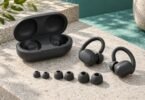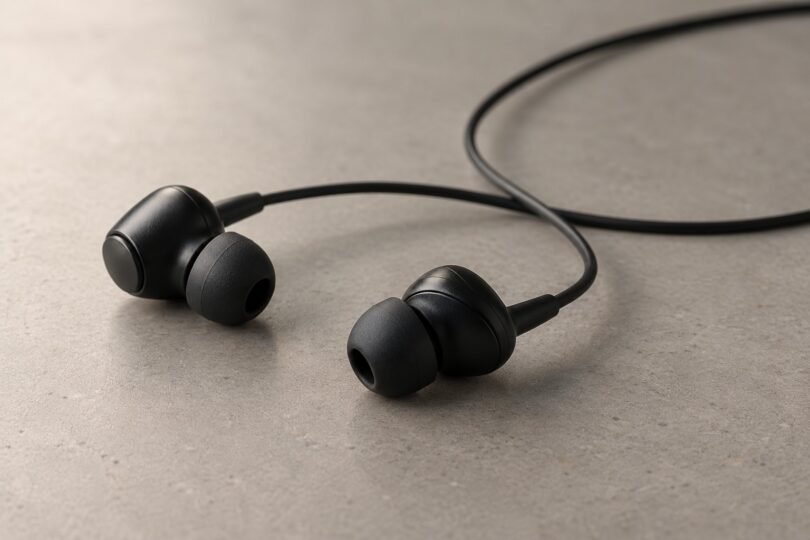

Dual-driver earbuds contain two sound-producing drivers in each earpiece. That means four drivers across a stereo pair. Two earpieces, two microphones, a dual-magnet driver or a dual-chamber housing do not establish the same thing. When comparing products, look for a manufacturer specification that identifies both driver units.
Start with the connection you need. The KZ ZSN Pro X is a wired option with a detachable two-pin cable and a choice of microphone versions. The Shure AONIC 4 combines a wired hybrid design with a communication cable and replaceable sleeves. The SOUNDPEATS Capsule3 Pro+ offers a wireless alternative with a dynamic driver and an xMEMS speaker. Their hardware differs, but driver count alone cannot tell you which will sound best to you.
Three models with documented dual-driver designs
| Model | Drivers per earpiece | Connection | Microphone check |
|---|---|---|---|
| KZ ZSN Pro X | One 10 mm dynamic driver plus one 30095 balanced-armature driver | 3.5 mm cable; detachable 0.75 mm pins | Separate with-mic and no-mic versions |
| Shure AONIC 4 | One dynamic driver plus one balanced-armature driver | 3.5 mm communication cable; MMCX earpiece connectors | Remote and microphone on the communication cable |
| SOUNDPEATS Capsule3 Pro+ | One 12 mm dynamic driver plus one Cowell xMEMS speaker | Bluetooth 5.3; USB-C case charging | Built-in microphones for calls and noise processing |
These are conditional buying options based on manufacturer documentation. The comparison does not assign listening scores or claim that any model has been tested here.
KZ ZSN Pro X: wired, with a replaceable cable
The KZ ZSN Pro X specifications identify one 10 mm dynamic unit and one 30095 balanced-armature unit. This is a hybrid arrangement: two different driver technologies work in the same earpiece. The listed impedance is 25 ohms, with a 3.5 mm source plug and 0.75 mm detachable cable pins. The cable routes over the ear.
KZ lists both gold and black versions, each available with or without a microphone. Choose the microphone version explicitly if you want calls; the no-mic cable cannot provide that function. The manufacturer’s control guide lists playback and call commands, but those commands still need support from your phone, computer or adapter.
This model suits someone who wants a conventional wired connection and the option to replace the cable. Match the full ZSN Pro X name, since similarly named KZ models have different hardware. A compatible Bluetooth accessory is a separate purchase, not a wireless feature included in the ordinary wired package. When replacing the cable, match the connector shape as well as the stated pin size.
Shure AONIC 4: wired listening with a communication cable
The AONIC 4 pairs one dynamic driver with one balanced-armature driver. Shure’s user guide specifies 7-ohm impedance at 1 kHz and MMCX connections at the earpieces. The wired communication package includes a 3.5 mm cable with an integrated microphone and remote.
It is a useful model to compare if you prefer an over-ear cable route and several sleeve choices. Shure documents small, medium and large soft-flex and foam sleeves, plus other sleeve styles. Those options give you ways to adjust the fit, but they do not establish that a particular shell will be comfortable for every ear.
Check the package carefully: a wired AONIC 4 and an AONIC 4 wireless-adapter bundle are different purchases. The black wired model below is SE42HYBK+UNI. Its listing identifies the communication cable, fit kit, quarter-inch adapter and carrying case. Passive sound isolation comes from the earpiece and sleeve seal; it is different from electronic active noise cancellation.

Shure AONIC 4 Wired Earphones, Black, SE42HYBK+UNI
As an Amazon Associate we earn from qualifying purchases.
SOUNDPEATS Capsule3 Pro+: a wireless hybrid option
The Capsule3 Pro+ uses a 12 mm dynamic driver for mid-bass and a Cowell xMEMS speaker for higher frequencies, as described by driver manufacturer xMEMS. The same announcement documents six built-in microphones. This is a different driver combination from the dynamic-plus-balanced-armature designs above.
SOUNDPEATS lists Bluetooth 5.3, SBC, AAC and LDAC support, touch controls and active noise cancellation. LDAC requires a compatible source device; support in the earbuds alone is insufficient. The Capsule3 Pro+ manual also states that dual-device connection and LDAC cannot be used simultaneously.
Choose this format if avoiding a cable matters more than having a passive wired connection. Confirm the plus sign in the model name, and check app features on the phone you will use. The case’s USB-C connector is for charging; it does not establish a wired USB audio mode. The manufacturer page contains inconsistent battery figures, so this guide does not use them to rank listening time.
What two drivers can and cannot tell you
A dual-dynamic design uses two dynamic drivers. A hybrid combines different technologies, as these three models do. The useful specification is the architecture inside each earpiece, not the number of microphones, magnets or marketing terms on the box. Separate drivers can handle different frequency ranges, but their integration and tuning matter to the final result.
Driver count is therefore a way to identify the design, not a sound-quality grade. It does not guarantee stronger bass, clearer voices, a wider soundstage or better detail than a single-driver earphone. Choose based on the sound balance you enjoy, fit and practical features. If you can audition, compare familiar recordings at similar perceived volume and pay attention to whether the eartips remain sealed.
Check impedance, connectors and calls before buying
The 25-ohm KZ and 7-ohm Shure figures describe electrical characteristics of the wired earphones. They are not loudness settings or quality scores. Impedance alone does not establish whether an extra amplifier is needed; the source’s capabilities and the earphone’s sensitivity also matter. Begin with the device or adapter you intend to use and check for a usable volume range and unwanted background noise.
On a phone without a headphone socket, choose an audio adapter compatible with that phone. If calls matter, verify microphone support as well as headphone output. A cable or adapter that plays music does not automatically preserve every remote-button function. Bluetooth codecs are relevant to the SOUNDPEATS wireless link; they do not apply to the ordinary analog cables on the KZ and Shure.
Give fit as much attention as driver specifications
Try the supplied tip sizes and check each ear separately. Shure’s guide explains that a poor seal can reduce bass, which makes fit important when judging the sound. The tip should stay securely attached to the nozzle and feel comfortable without forcing it deeper. Cable routing, shell size and how the earpieces sit during movement all deserve attention.
Before keeping a pair, check the things you will actually do: listen for a full session, make a call with the intended device, use the controls and put the earbuds away in their case. Match the exact model, microphone option and cable package first. Two drivers per earbud are a verified design feature; a suitable everyday earphone still needs the right connection and fit.