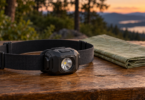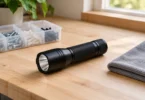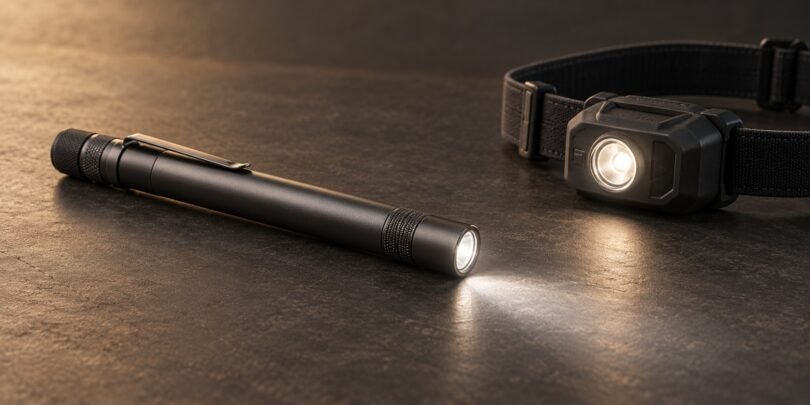

A bite light, in this guide, is a small inspection flashlight with a manufacturer-designed rubber bite zone or removable bite cap. It gives you another way to aim a beam during a brief two-handed task. The useful comparison is between the light’s power source, beam controls, cap design, and everyday carrying options.
The term also appears on fishing bite indicators, which signal movement on a rod. Those are a different product category. Here, the focus is pocket lighting for inspections and small jobs, with three documented penlight options and the checks that matter before you order.
Which bite-zone penlight should you choose?
- Milwaukee 2105: a straightforward choice when you want an AAA-powered penlight with a built-in bite zone.
- COAST HP3R: worth comparing when a slim body, adjustable beam, and rechargeable or disposable power are priorities.
- COAST XT20R: a useful alternative when you want several brightness settings and a two-way pocket clip.
Start with the task rather than the largest lumen number. Reading a label, looking behind an appliance, and lighting a workbench call for different beam shapes. Also decide whether the light will spend most of its time in a shirt pocket, tool pouch, or emergency kit. A feature that helps in one setting can be unnecessary in another.
1. Milwaukee 2105: a simple replaceable-battery option
The Milwaukee 2105 Penlight has a protective rubber bite zone, a removable metal pocket clip, and an on/off switch that also supports momentary illumination. Milwaukee specifies 100 lumens, a 43-meter beam distance, and power from two AAA batteries. Its published protection rating is IP67.
This is the most straightforward starting point if your kit already uses AAA batteries and you prefer swapping batteries to finding a charging cable. The single-output approach also keeps the buying decision simple: you are choosing a compact inspection light rather than a large collection of modes.
Check the listing carefully because a single 2105 and a seller’s multi-light bundle are different purchases. Compare the quantity, included batteries, and seller terms. A similarly named two-pack should not silently become the basis for a single-light price comparison.

Milwaukee 2105 Aluminum 100-Lumen Pen Light with Clip
As an Amazon Associate we earn from qualifying purchases.
2. COAST HP3R: slim rechargeable lighting with beam adjustment
The current COAST HP3R has a removable rubber bite cap and a twist-focus beam. COAST lists the rechargeable ZX320 battery or two AAA batteries as its power options. The current specifications describe three settings: 500 lumens for 1.5 hours on high, 185 lumens for 3.75 hours on medium, and 26 lumens for 12 hours on low.
That makes it a reasonable comparison for someone who wants one penlight for both broad nearby illumination and a more concentrated spot. Its listed weight is 1.83 ounces, and it carries an IP54 rating. Fit and comfort still need to be judged with the actual light; a specification sheet cannot tell you whether a particular body shape suits you.
Verify the exact generation before buying. Retailers may retain older HP3R listings, and this guide’s figures refer to the current manufacturer page. Ask about the supplied battery and charging connection rather than assuming every product with the same family name has identical details.
3. COAST XT20R: more modes and a two-way clip
The COAST XT20R combines a removable rubber bite cap with a twist-focus optic and a clip that can also attach to a hat brim. Its listed power choices are the ZX325 rechargeable battery or one alkaline AA. COAST specifies USB-C charging and IP54 water and dust resistance.
Its mode chart is particularly important: the stated 520-lumen high setting has a 1.5-hour runtime, while the 43-hour figure belongs to the 12-lumen Moon Glow setting. Those are separate operating points. Do not read the maximum output and maximum runtime as a promise that they occur together.
The manufacturer lists a length of 4.33 inches and weight of 2.89 ounces. Consider it when clip versatility and brightness choice matter more to you than the narrowest possible pen shape. Check that the cap, battery, and charging accessories described by the seller are included in that exact package.
Check the bite cap separately from the flashlight
A rubber-covered power button is not, by itself, evidence that a light was designed to be held in the mouth. Look for an explicit bite-zone or bite-cap description from the manufacturer. If the seller uses only a broad phrase such as “hands-free,” inspect the actual feature: that wording might refer to a magnet, stand, or clip instead.
Replacement caps need their own compatibility check. COAST sells a Penlight Bite Cap and separately lists an XT-family cap. Do not assume a cap sold for “most penlights” will fit every tailcap or every generation. Match the light’s model to the accessory’s compatibility information before ordering.
Also ask what can be replaced if the cap wears out. A removable accessory and an integrated rubber section create different repair questions. The ability to buy a spare matters more than how many spare accessories appear in a generic promotional photograph.
How to compare power, beam, and controls
Choose a battery routine you will actually maintain
Think about where charging would happen and where spare batteries would live. A rechargeable light is convenient only if it is charged when needed. A replaceable-battery light is convenient only if the correct spares are available. For occasional use, add a brief function check to the routine you already use for the rest of your kit.
Use only the battery types and charging arrangements specified for the exact model. The presence of a charging port does not mean every battery that fits the body can be charged inside it. Read the supplied instructions before mixing a light, replacement cell, and charging cable from different packages.
Check the mode you expect to use
Compare runtime at a useful output, rather than comparing only the largest figures on two boxes. Ask whether you want a simple switch or several settings, and whether you are comfortable changing modes when wearing work gloves. If a task requires frequent focus changes, consider whether that control is easy to reach when the light is mounted or clipped.
Look beyond pocket size
Measure the pocket or pouch where the light will live. Check clip orientation and whether the clip is removable. A light that fits loosely at a desk may feel different when you bend, reach, or wear another layer. Keep the receipt and inspect the return conditions before opening accessories that touch the mouth.
When a headlamp or mounted light makes more sense
If a job needs continuous two-handed lighting, start by considering a headlamp, clip-mounted light, or work light positioned beside the task. They let you separate illumination from holding an object in your mouth. A bite zone is one mounting option, not a reason to choose the same setup for every job.
Follow the light’s handling and cleaning instructions. Inspect the cap and body before use, and stop using a damaged or loose component. Do not improvise a mouth grip with tape, an unknown rubber sleeve, or an accessory that the manufacturer has not approved for the model.
Questions to settle before checkout
- Is this the exact model and generation described in the manufacturer’s specifications?
- Does the package contain one light or multiple lights?
- Is the bite zone built in, or is a separate cap required?
- Which batteries and charging accessories are included?
- Can you buy the correct replacement cap or battery later?
- Would a headlamp or clip mounting suit the main task better?
The best match is the light you can power, carry, and position without extra fuss. Begin with the simplest model that covers your regular tasks, then pay for adjustable focus, additional modes, or alternate mounting only when those features solve a real problem.