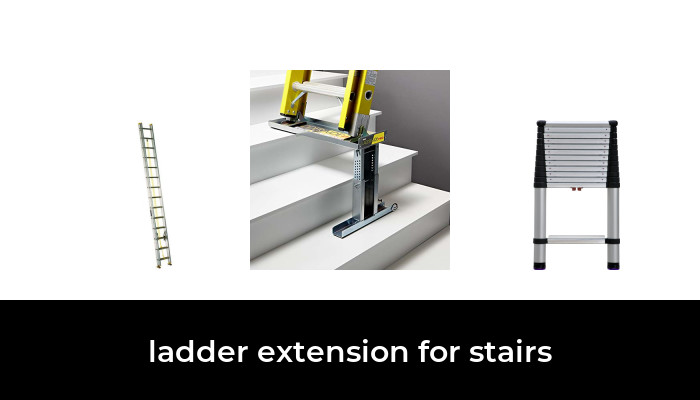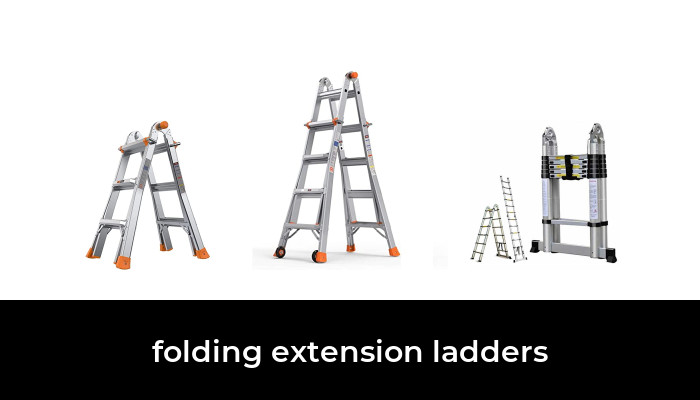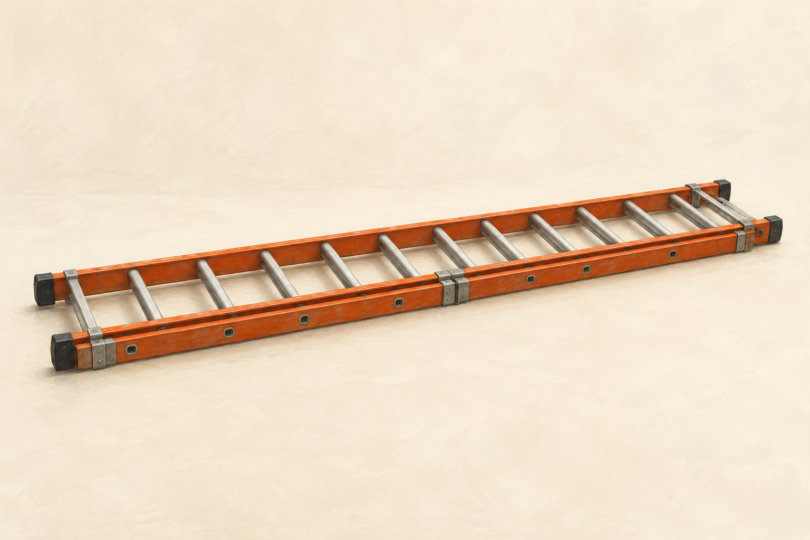

For gutter cleaning, choose a ladder only after checking the actual height, ground, support point and your ability to handle it safely. The Werner D6224-2 and Louisville FE3224 are two fiberglass extension-ladder models worth comparing when a correctly sized extension ladder is appropriate. Neither is automatically the right size for every one- or two-story home.
If the work involves unstable ground, nearby power lines, awkward access, excessive reaching or a ladder you cannot control, use a qualified gutter-cleaning service. Where suitable, a purpose-designed ground-operated tool may avoid climbing, but it still needs safe clearance and the manufacturer’s instructions.
Research checked October 4, 2026 against manufacturer specifications, OSHA ladder-safety guidance and CPSC electrical-safety information. We have not climbed on, load-tested or compared these ladders in use. This is a buying and risk-screening guide, not a substitute for the ladder manual, training or a site assessment.
Two extension ladders to compare
| Model | Published size and rating | What matters for your purchase |
|---|---|---|
| Werner D6224-2 | 24-foot total section length; 21-foot maximum working length; Type IA, 300 lb | Exact setup height, handling, storage and manufacturer-approved accessories |
| Louisville FE3224 | 24-foot nominal size; 21-foot maximum extended length; Type IA, 300 lb | The same site and load checks, plus the exact model’s instructions and support |
These are model specifications, not a promise that you can safely clean a gutter 21 or 24 feet above the ground. Ladder angle, permitted standing position, section overlap and the task all affect usable working height.
Werner D6224-2: a conventional fiberglass extension option
Werner’s manufacturer specification guide identifies the D6200-2 family as Type IA, 300-pound fiberglass extension ladders. The D6224-2 row lists 24 feet for the total length of its sections and 21 feet for maximum working length.
We would compare the D6224-2 when an extension ladder is suitable and you have space to transport and store it. A long ladder must be manageable before you climb it; buying the tallest available model can create a handling problem rather than solve one.
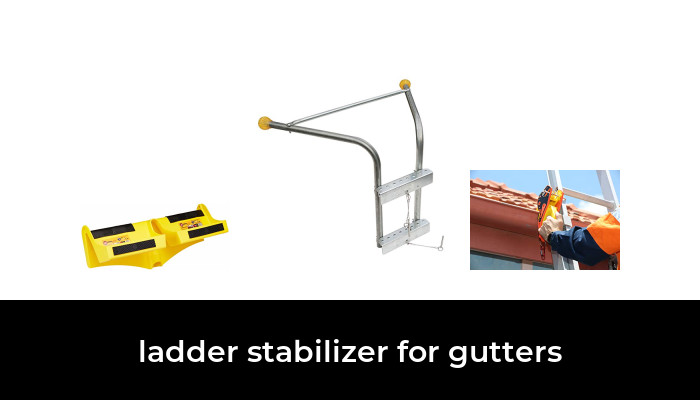
Tradeoff: accessories are not universally interchangeable. If you need a standoff or stabilizer to establish an appropriate support point, ask Werner to confirm the exact ladder-and-accessory combination. A marketplace description saying “fits most ladders” is not sufficient evidence.
Louisville FE3224: a comparable specification to check locally
The FE3224 product page describes a fiberglass extension ladder with a Type IA 300-pound load rating and a 21-foot maximum extended length. It also identifies D-shaped rungs and its rung-lock system.
This is a useful comparison if its handling, local availability, service support and approved accessories suit your situation. We have not established that it is more stable, easier to carry or better for gutters than the Werner model. Similar headline specifications are a reason to compare the details, not to invent a performance ranking.
Tradeoff: confirm the actual unit, labels and current instructions. Do not transfer a specification or accessory recommendation from another FE-series ladder just because the model names look alike.
Measure the job, not the number of stories
“Two-story house” is not an adequate sizing measurement. Ground level, roofline, setbacks and landscaping vary. Ask the ladder manufacturer or a competent professional to help determine the correct size for the intended work and support point.
Keep these terms separate:
- Nominal size or total section length: a product-size description that can exceed its usable extended length.
- Maximum extended or working length: the length permitted with the required section overlap, not the height of your feet.
- Standing height: the highest permitted standing position for that ladder and configuration.
- Reach height: a manufacturer estimate that may depend on an assumed person’s height and reach.
Do not compensate for a short ladder by standing above its permitted level, making it too steep, placing it on boxes or overreaching. Choose another safe method when the right setup does not fit the site.
Include the whole load
OSHA’s extension-ladder guidance says the load calculation includes the person, tools, materials and equipment. A 300-pound duty rating is not an extra allowance for equipment on top of a 300-pound person. Do not exceed the actual ladder’s label.
The same guidance calls for inspection, a stable level base, a sound supporting structure and the correct setup angle. Follow the specific ladder instructions and labels. Damaged rails, feet, locks, rungs or hardware are reasons to take a ladder out of use, not reasons to improvise a repair.
Gutter-specific hazards to screen out
Gutters and thin trim are not automatically load-bearing ladder supports. Plan an approved support arrangement that does not rely on crushing or deforming the gutter. Any standoff must be compatible with the ladder and contact a suitable structure; it does not turn poor ground or unsafe reach into a safe setup.
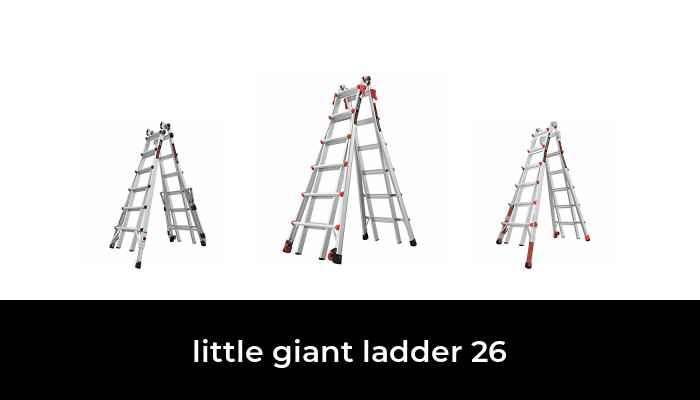
Little Giant’s gutter guidance emphasizes level setup and moving the ladder instead of overreaching. Avoid treating a roof edge as a seat or stepping onto the roof simply to reach more debris.
- Keep your body within the ladder’s safe working area; descend and reposition instead of leaning sideways.
- Maintain three points of contact while climbing and keep hands available for support.
- Do not climb in wind, rain, icy conditions or when the ladder or footwear is slippery.
- Keep doors, traffic and other people from disturbing the setup.
- Avoid operating equipment that can pull you off balance or requires both hands beyond what the work position safely permits.
If the cleaning method cannot be carried out while maintaining control and following the ladder instructions, change the method or hire a professional. Buying gloves, goggles or a stabilizer does not eliminate fall risk.
Fiberglass does not make power lines safe
The CPSC warns about ladders and overhead electricity. Never plan a ladder route close to a power line, including the service line to a house. Fiberglass is not permission to approach energized conductors; contamination, moisture, tools and other components can create hazards.
Where electrical clearance is uncertain, stop and consult the utility and a qualified professional. Do not attempt to move a line or work around it with a different ladder material.
Frequently asked questions
Is a 24-foot ladder right for every two-story gutter?
No. Use actual site measurements and the manufacturer’s working limits. Nominal ladder length is not a universal gutter-height rating.
Can I use a stepladder leaned against the house?
Only if that exact model is explicitly designed and instructed for a leaning configuration. An ordinary stepladder should not be assumed to support that use.
Do I need a gutter stabilizer?
It depends on the ladder and support arrangement. Confirm compatibility and installation with the manufacturer. An accessory is not a substitute for appropriate ground, height and technique.
Bottom line: compare the Werner D6224-2 and Louisville FE3224 only after confirming that an extension ladder is suitable and correctly sized. If you cannot establish a controlled, stable setup, the better purchase may be a professional cleaning service rather than another ladder.
Image note: AI-generated generic editorial illustration; it does not identify a model, establish a duty rating or demonstrate a safe working setup.