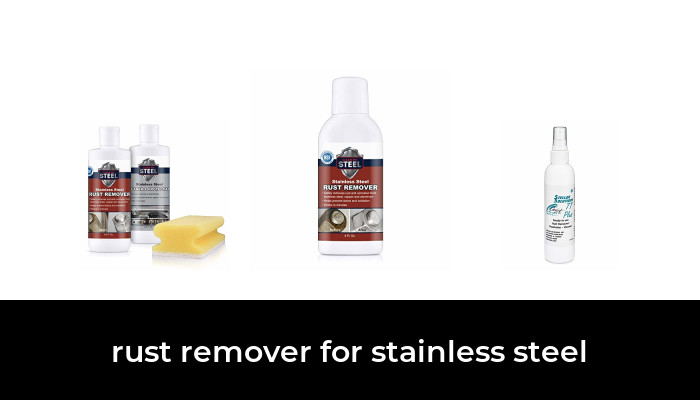

For light rust staining on compatible, uncoated stainless steel, Bar Keepers Friend Soft Cleanser is a practical starting point when the appliance or sink maker permits it. CitriSurf 77 Plus and CitriSurf 2310 are more specialized citric-acid products for stainless-steel rust removal and passivation. None should be applied to an unknown finish simply because the surface looks metallic.
The first decision is the surface, not the strength of the cleaner. Bare stainless steel, black stainless, fingerprint-resistant coatings and plated metal can require different care. This guide compares documented products and explains their limitations; it does not claim hands-on testing, guaranteed restoration or permanent rust prevention.
Rust removers for stainless steel at a glance
| Product | Verified package | Useful role | Important limitation |
|---|---|---|---|
| Bar Keepers Friend Soft Cleanser | Two 26-ounce bottles | Localized surface stains on manufacturer-approved stainless surfaces | Rinse within one minute; contains a mild abrasive and acid |
| CitriSurf 77 Plus | One 22-ounce trigger-spray bottle | Liquid treatment for compatible stainless-steel rust and free-iron contamination | Keep moist; follow its longer, product-specific treatment instructions |
| CitriSurf 2310 | One 22-ounce gel-spray bottle | Higher-viscosity treatment where a liquid is difficult to keep in place | Still requires a finish test, controlled application and thorough rinsing |
A stainless-steel polish intended to remove fingerprints is not necessarily a rust remover. A rust converter intended for painting corroded steel is another product category again. Read the intended material and application before comparing bottle size or unit price.
1. Bar Keepers Friend Soft Cleanser: for permitted surface-stain cleaning
Bar Keepers Friend Soft Cleanser is a ready-to-use liquid cleanser containing oxalic acid and glass-oxide abrasive among its ingredients. The maker lists stainless steel among its applications and directs users to shake the bottle, apply a small amount to a wet surface or damp sponge, then rinse thoroughly within one minute and dry.
This is the most straightforward of these options for a small rust mark on a compatible sink or appliance surface. GE’s stainless-steel rust guidance specifically names the liquid Soft Cleanser for relevant stainless finishes and calls for gentle work along the grain with a damp, soft sponge. That is useful appliance-maker support, but it is not permission to use the product on every GE finish or every other brand.
Start with a small, hidden test area and the gentlest permitted application. A liquid texture does not mean the formula contains no abrasive. Do not replace a soft cloth with a metal scourer or extend the contact time in an attempt to speed up a difficult job. Rinse and reassess instead.
The linked variant contains two 26-ounce bottles. The pack size is an ordering detail rather than a reason to use more product. Store the remainder in its original labeled packaging, away from children and pets.

Bar Keepers Friend Soft Cleanser, 26 Oz Bottles, Pack of 2
As an Amazon Associate we earn from qualifying purchases.
2. CitriSurf 77 Plus: liquid treatment for stainless-steel contamination
Stellar Solutions describes CitriSurf 77 Plus as a cleaner, rust remover and passivation product for stainless steel. Its technical sheet identifies a citric-acid-based liquid supplied ready to use in 22-ounce trigger-spray bottles. This is the exact product in the card below.
It suits a different process from a quick household wipe. The manufacturer calls for removing dirt and oily contamination first, wetting the affected area and keeping it moist for the required treatment period. Its typical room-temperature guidance is 15–30 minutes, with the actual process depending on the steel and surface condition. Thorough rinsing and complete drying follow.
That timing must not be transferred to Bar Keepers Friend, which has a much shorter contact-time instruction. Equally, spraying CitriSurf and immediately wiping it away is not the same as carrying out the manufacturer’s documented treatment. Consult the current label and technical sheet for the surface you are treating.
Stellar warns that sensitive stainless grades, or letting the product dry on the metal, can result in discoloration or etching. It also states that 77 Plus does not remove weld heat discoloration. Choose it only where the metal and surrounding materials are compatible, and where you can control the application and rinse it properly.

3. CitriSurf 2310: a higher-viscosity option
CitriSurf 2310 uses a thicker, high-viscosity formulation for areas such as vertical surfaces and large stainless items that cannot conveniently be immersed. The manufacturer lists several industrial package sizes as well as a 22-ounce trigger bottle; this guide’s purchase card is specifically the 22-ounce gel-spray version.
Its main buying distinction is application control. A thicker product can be more suitable than a freely running liquid for a compatible vertical area. It does not remove the need to protect adjacent materials, test the finish, wear the specified protective equipment and rinse completely afterward.
The technical instructions call for mixing before use and keeping the product moist during treatment. As with 77 Plus, the typical room-temperature treatment is measured in minutes rather than a quick spray-and-wipe, and the instructions warn about etching or discoloration if it dries or is unsuitable for the steel. It is not a general household spray to apply indiscriminately around a kitchen.

Check the finish before using any rust remover
Find the appliance model or the sink manufacturer’s care instructions. “Stainless” in a product name can describe an appearance or a coating over metal. Black stainless is particularly important: GE’s Black Stainless cleaning guidance specifies mild dish soap and water and says traditional stainless cleaners, including Bar Keepers Friend, can ruin that finish.
Apply the same caution to fingerprint-resistant coatings, decorative colored finishes, polished surfaces and mixed-material fittings. A cleaner approved for an uncoated sink may harm a nearby stone counter, painted trim, sealant or carbon-steel component. If you cannot identify the surface or safely isolate and rinse the treatment area, ask the manufacturer before proceeding.
Also distinguish a stain from missing material. A transferred rust mark may clean away; a pit, flaking coating or damaged weld may remain even after discoloration improves. Cleaning cannot replace lost metal or establish that a load-bearing or food-processing component is fit for use. Persistent damage needs assessment rather than progressively harsher scrubbing.
A careful cleaning sequence
- Identify the metal and finish. Read both the surface maker’s care instructions and the cleaner’s current label. Resolve any conflict before use.
- Prepare the area. Keep food, children and pets away. Protect neighboring materials and use the ventilation, gloves and eye protection specified by the label or safety data sheet.
- Remove ordinary soil. Use a manufacturer-approved mild cleaner first, then rinse away its residue. Grease can interfere with contact between a treatment and the metal.
- Test a hidden spot. Check for changes in sheen, color or texture after rinsing and drying. Stop if the finish changes.
- Follow one product’s instructions. Use the correct applicator, amount and contact time. Work with the grain when directed and avoid aggressive pressure.
- Rinse and dry thoroughly. Inspect the result before deciding whether another permitted application is appropriate.
Never mix these cleaners with bleach, ammonia or other cleaning products. Bar Keepers Friend explicitly warns against mixing and recommends rinsing away a previously used cleaner before applying its product. Do not assume two acidic products are safe to combine, or add a household chemical to “boost” the result.
Keep liquid away from electrical openings and controls. Stellar’s technical sheets warn that CitriSurf is conductive and must not be applied to energized wiring or conductive parts. Follow the appliance manual’s power-isolation instructions, and leave inaccessible or electrical corrosion to a qualified professional.
Reducing repeat rust stains
Dry the surface after cleaning and address the source of repeated deposits. Wet cans, rusty utensils or carbon-steel tools can transfer material to a stainless sink. Steel wool can also leave particles behind. GE recommends avoiding steel wool and steel brushes for this reason.
Use the surface manufacturer’s routine care method between treatments. More frequent acid treatment is not automatically better maintenance. If marks keep returning in the same place, look for a moisture trap, adjacent rusting part, water-related deposits or a damaged finish rather than repeatedly attacking the symptom.
Frequently asked questions
Can stainless steel really rust?
Yes. Its corrosion resistance is not immunity. Surface contamination and damage can produce visible rust marks, and severe conditions can damage the steel itself.
Which product should I try first?
Begin with the surface maker’s approved cleaning method. For a compatible uncoated surface with localized staining, Soft Cleanser may be appropriate. CitriSurf is a more specialized treatment requiring material confirmation and a controlled process.
Will a rust remover fix scratches or pitting?
It may remove discoloration around them, but it does not fill scratches, restore missing metal or repair a coating. Seek product-specific support if the damage remains.
Does passivation mean the surface will never rust again?
No. A correctly performed treatment is not a permanent protective guarantee. The material, environment, contamination and ongoing care still matter.
Image note: Existing category illustration retained from the original article.