
A face cream for an 11-year-old should help with an actual need, such as dryness, without turning everyday skin care into an adult anti-aging routine. Start with a simple, fragrance-free moisturizer suited to the child’s skin. A lightweight lotion may be easier to wear on oily skin; a richer cream may be more comfortable on dry areas. No single product suits every child.
The American Academy of Dermatology’s guidance for tweens centers on a gentle cleanser, fragrance-free moisturizer and daily broad-spectrum, water-resistant sunscreen with SPF 30 or higher. An elaborate collection of serums, masks and treatments is unnecessary. A parent or caregiver should help check labels, notice reactions and decide when a pediatrician or dermatologist needs to be involved.
Choose for the skin need, not the birthday
- Comfortable skin without a particular concern: Keep the routine straightforward. There is no reason to add wrinkle, firming or dark-spot products just because they are popular.
- Dry or tight-feeling skin: Look for a fragrance-free cream labeled for facial use. Richer textures can be useful when a light lotion is not enough.
- Oily or breakout-prone skin: Consider a lightweight moisturizer labeled non-comedogenic. Choose the texture the child will comfortably use; a moisturizer does not itself provide an acne treatment plan.
- Persistent itching, a rash or known eczema: Ask the child’s clinician about suitable products. Repeatedly trying new creams may make it harder to identify what is irritating the skin.
The American Academy of Pediatrics’ tween skin-care advice favors a simple routine and lightweight, non-comedogenic moisturizer. For distinctly dry skin, the AAD’s dry-skin guidance explains why creams and ointments can moisturize more effectively than lotions. These are different starting points for different needs, rather than a reason every preteen needs a heavy cream.
What to check on a moisturizer label
Look for the exact product name, intended use, ingredient list and any age guidance. A brand can sell a plain moisturizer alongside an exfoliating lotion, acne treatment or retinol night cream. Similar packaging does not make those products interchangeable.
Prefer fragrance-free when choosing a basic cream. “Unscented” may still involve ingredients used to mask smells. Plant extracts and essential oils are not an automatic advantage for sensitive skin. Check ingredients against any known allergies with a parent or clinician.
Common moisturizing ingredients include glycerin, petrolatum, dimethicone and hyaluronic acid. Their presence can help identify a moisturizing formula, but an ingredient list cannot guarantee how one child’s skin will respond. You do not need to buy a separate serum for each ingredient.
Be cautious about reassurance on the front of the package. The FDA says “hypoallergenic” has no federal definition or standard for cosmetics. It is not a promise that a reaction is impossible. A familiar brand, a high price or a product marketed specifically to tweens is also not enough to establish suitability.
Two plain creams to compare for dry skin
These examples have manufacturer information supporting use by children. Use the maker’s age guidance as a starting point and check individual tolerance. Both are richer creams, so a child who dislikes a heavy texture may prefer a suitable lightweight lotion.
CeraVe Moisturizing Cream
CeraVe describes its plain Moisturizing Cream as a face-and-body moisturizer for normal to dry skin and says it is suitable from age three. The manufacturer lists fragrance-free and non-comedogenic properties, with ceramides, hyaluronic acid, dimethicone and petrolatum among its featured ingredients. Choose the plain Moisturizing Cream and check the current package ingredients. This is a moisturizer without sunscreen, so it does not replace sun protection.

CeraVe Moisturizing Cream - 19 oz Jar, Pack of 1
As an Amazon Associate we earn from qualifying purchases.
Vanicream Moisturizing Cream
Vanicream’s plain Moisturizing Cream is described by the manufacturer as suitable for all ages, with a children’s-use FAQ confirming family use. Its listed formula includes petrolatum and excludes fragrance, masking fragrance, botanical extracts and essential oils. The maker also identifies it as non-comedogenic. Check that you are comparing the Moisturizing Cream itself, rather than another Vanicream product. It does not provide sunscreen protection.
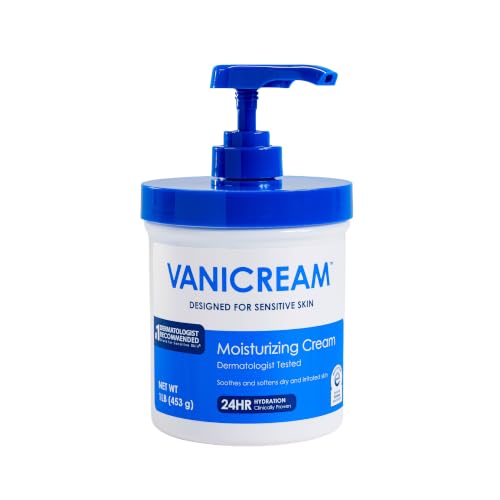
Before buying either cream, compare the exact size, container and number of units. A jar and a jar with a pump may be separate listings; a multipack can look similar to a single container. A smaller size may be a practical first purchase while you find out whether the texture suits the child. Read the label on the delivered package because formulations and packaging can change.
Keep adult treatments out of the shopping basket
For routine preteen moisturizing, skip anti-aging retinol creams, exfoliating acids and peels, firming treatments and products aimed at fading age-related discoloration. The AAD’s tween guidance warns that ingredients targeting adult skin concerns can irritate young skin. A cream being fragrance-free does not make its other active ingredients appropriate for this purpose.
Acne and eczema sometimes need medical treatment, but that is a separate decision from buying a moisturizer. Let a pediatrician or dermatologist guide age-appropriate treatment when needed. Do not substitute an adult cosmetic routine or independently add bleaching products, steroid creams or medication to address an unexplained skin change.
Add sun protection that fits the day
Choose a broad-spectrum SPF 30-or-higher sunscreen, with water resistance for swimming, sports and sweating. A moisturizer carrying an SPF number still needs to meet the relevant sun-protection needs and be applied according to its label; a small dab of face cream is not a substitute for proper sunscreen use.
The FDA’s sunscreen guidance advises applying sunscreen before sun exposure and reapplying at least every two hours, with more frequent reapplication for swimming or sweating as directed. Water resistance lasts for the labeled period, generally 40 or 80 minutes; it does not mean waterproof. Follow towel-drying and other instructions on the actual product.
Help the child cover easily missed exposed areas such as the ears and neck. Sunscreen works alongside shade, hats and protective clothing. The AAP’s sun-safety advice for parents also discusses zinc oxide or titanium dioxide options for sensitive areas and avoiding the eyes. Comfort matters because an unpleasant texture can make a product harder to use consistently.
Introduce products slowly and watch for discomfort
For dry skin, gently pat the face after washing and apply the chosen moisturizer while the skin is still slightly damp, following its package directions. Avoid scrubbing and repeatedly adding layers of different products. A comfortable, repeatable habit is more useful than a complicated routine.
Introduce one new product at a time with a parent’s help. The AAD’s home product-testing guidance recommends trying a small area twice daily for seven to ten days before wider use. This can help reveal a reaction; it does not guarantee that a product will never cause one and is different from clinical allergy testing.
If a product causes redness, itching, swelling or burning, stop using it and gently wash it off. Get clinical advice for a significant reaction, continuing discomfort, persistent rash or acne that needs treatment. The useful goal is comfortable skin and manageable habits, with a moisturizer the child tolerates and sun protection the family can maintain.