
A useful beard oil starts with an ingredient list your skin tolerates and a texture you are comfortable wearing. For cosmetic softening and moisture care, compare a simple jojoba oil, argan oil, or squalane product. You do not need a complicated blend or a strong fragrance to begin.
These options are for the appearance and feel of the beard and the skin beneath it. This guide does not rank them as hair-growth treatments or remedies for acne, eczema, infection, or persistent flaking. Skin type may make a moisturizer or beard conditioner the better purchase.
We reviewed manufacturer ingredient lists and dermatologist guidance; we have not performed hands-on wear tests or compared clinical results. Formulas can change, so read the label on the bottle you receive.
Three simple ingredients to compare
| Option | Example with published ingredients | Reason to consider it | Important limitation |
|---|---|---|---|
| Jojoba oil | NOW Solutions Jojoba Oil: Simmondsia Chinensis Seed Oil | A single-ingredient skin-and-hair conditioning option | Simple ingredients still require a tolerance check |
| Argan oil | The Ordinary 100% Organic Cold-Pressed Moroccan Argan Oil: Argania Spinosa Kernel Oil | A cosmetic option for dryness and hair softness | The unrefined product has a natural scent |
| Squalane | The Ordinary 100% Plant-Derived Squalane: Squalane | An oil-like alternative with a short ingredient list | Not a guarantee against breakouts or irritation |
1. Jojoba: a straightforward conditioning option
NOW’s Jojoba Oil lists jojoba seed oil as its ingredient. The manufacturer describes jojoba as a wax derived from the shrub’s seed and sells it for moisturizing skin and conditioning hair.

NOW Solutions Jojoba Oil, 4 fl oz, Pack of 1
As an Amazon Associate we earn from qualifying purchases.
Why consider it: a one-ingredient bottle is easy to compare with a fragranced beard blend. If you already tolerate jojoba, there is less guesswork about which added ingredient you are introducing.
Tradeoff: the brand’s broad skin-type marketing does not establish that every person’s face will tolerate it. Follow the package directions, avoid the eyes and broken or irritated skin, and stop if sensitivity develops. NOW advises storing the opened bottle in a cool, dry place.
2. Argan: for a simple skin-and-hair oil
The Ordinary’s Moroccan Argan Oil lists only argan kernel oil. The manufacturer positions it for dry skin and for adding softness and sheen to hair.

Why consider it: it offers an identifiable ingredient rather than an undisclosed combination of many oils. Its product page includes directions for both facial skin and clean, damp hair.
Tradeoff: this unrefined oil has its own scent. If you dislike noticeable smells near your face, that can be a practical reason to choose another product. Organic and cold-pressed descriptions do not prove that it will suit sensitive skin. Anyone with a known allergy relevant to the ingredient should seek professional advice rather than trying it casually.
3. Squalane: an oil-like alternative
The Ordinary’s 100% Plant-Derived Squalane contains squalane and is described by the brand as a fast-absorbing, oil-like serum for hydration. It is included here as an alternative to a traditional botanical carrier oil.

Why consider it: the minimal ingredient list makes comparison straightforward, especially if you are trying to avoid a multi-oil fragrance blend. The manufacturer permits facial use and also describes cosmetic hair use.
Tradeoff: a non-comedogenic claim is not a personal guarantee. If your beard area is acne-prone, use the dermatologist guidance below rather than assuming this product is the exception that will work for everyone.
Choose for the skin under your beard
The American Academy of Dermatology’s beard-care guide differentiates between beard oil for normal or dry skin, beard conditioner for acne-prone skin, and a gentle moisturizer for sensitive skin. That is a more useful starting point than choosing the most expensive oil.
For active beard-area breakouts, the AAD’s beard-problem advice specifically favors a small amount of non-comedogenic beard conditioner instead of beard oil. Persistent rash, pain, broken skin, or ongoing flaking warrants a dermatologist’s assessment rather than repeatedly switching oils.
Read the full label before buying
- Check the complete formula. A product advertised with one featured oil may also contain fragrance or other ingredients. Compare the bottle’s ingredient panel with the listing.
- Avoid known triggers. The FDA’s cosmetics-allergen guidance recommends checking ingredients and consulting the manufacturer when the label leaves questions. A familiar botanical name is not proof of tolerance.
- Keep the first purchase modest. Buy a manageable bottle size while deciding whether you like the product. Compare cost per volume, dispensing method, storage directions, and the seller’s return policy.
- Skip unnecessary extras. Added essential oils are not necessary for basic beard conditioning. If fragrance is a trigger for you, choose accordingly and read the entire formula rather than relying on the front label.
Test before using it across your beard
The AAD recommends testing a new skin-care product on a small area twice daily for seven to ten days, using the amount and contact time appropriate to that product. Follow its specific instructions as well. Do not test a product containing an ingredient you already know causes an allergy.
If redness, itching, swelling, or another reaction appears, wash the product off and discontinue it. Home testing does not identify every allergy or replace medical patch testing. Seek medical advice for a significant or persistent reaction; breathing trouble or trouble swallowing requires immediate medical attention.
Frequently asked questions
Will carrier oil fill in a patchy beard?
The sources reviewed here support cosmetic moisture and conditioning uses, not a promise of new beard growth. Ask a dermatologist about sudden or unusual hair loss.
Is natural oil automatically safer?
No. The FDA’s cosmetic-label guide explains that natural or organic sourcing does not determine safety. Personal tolerability and correct use still matter.
Should I mix several oils together?
There is no need to start with a blend. Trying one suitable product at a time makes it easier to judge its feel and notice problems. Follow the finished product’s directions instead of improvising a scented recipe.
Bottom line: jojoba, argan, and squalane are reasonable cosmetic ingredients to compare. Choose around your skin, read the actual label, and keep expectations focused on grooming rather than growth or treatment.
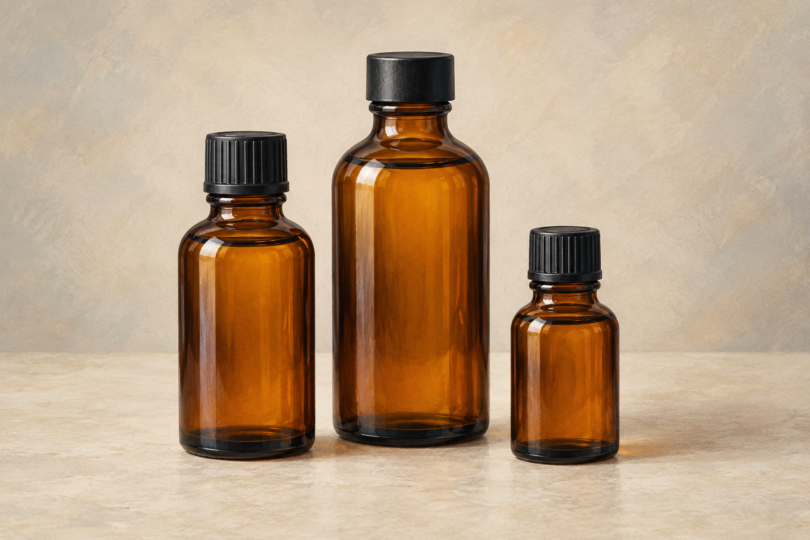
Image note: Generic oil-bottle illustration for a beard carrier-oil guide; no ingredient identity, tested formula or treatment effect is depicted.