
When comparing heavy hula hoops, start with manageable weight, suitable diameter, secure connections, and enough clear space to use the hoop. The heaviest listing is not automatically the most useful purchase. A lighter adult-size hoop may be the better starting point.
Two adjustable options worth comparing are the Hoopnotica Travel Fitness Hoop and the Core Balance 1 kg Weighted Hula Hoop in its smooth version. They differ in weight, surface, and size adjustment, so choose by fit and comfort rather than promises about calories or waist measurements.
Research checked October 4, 2026. This guide uses manufacturer specifications and Mayo Clinic guidance. We have not tested these hoops for comfort, durability, or exercise results. Check the exact version, instructions, total cost, and local availability before buying.
Two adjustable hoops at a glance
| Option | Published configuration | Why compare it? | Main caution |
|---|---|---|---|
| Hoopnotica Travel Fitness Hoop, Blue | Six segments: 42-inch diameter, 1.5 lb; five: 37 inches, 1.1 lb | Lighter option with two advertised configurations | Other brand guidance lists different figures; confirm this exact model |
| Core Balance Weighted Hula Hoop, smooth | Listed at 1 kg; eight-section 98 cm configuration, with 87 cm and 75 cm alternatives | Padded, sectional design with several diameter choices | Reduced-configuration weights are not specified |
One kilogram is approximately 2.2 pounds. Compare matching units and the weight of the configuration you will actually use. A diameter measurement is not a waist circumference measurement.
1. Hoopnotica Travel Fitness Hoop: the lighter comparison
The Blue Travel Fitness Hoop product page specifies a six-section, 42-inch hoop weighing 1.5 pounds. It also describes a five-section, 37-inch configuration weighing 1.1 pounds. The hoop uses grip tape and includes a carrying strap.
Why consider it: it gives shoppers searching for a heavy hoop a less weighty option to try. Sections are useful when a full hoop would be awkward to transport or store.
Tradeoff: the brand’s separate FAQ contains different historical size and weight figures. Ask the seller to confirm the current product’s assembled measurements before purchase. Do not mix numbers from different pages or assume every Hoopnotica travel hoop is identical. This selection is based on the linked product listing, not a performance test.
2. Core Balance 1 kg smooth hoop: a padded option
The Core Balance product page lists a reinforced plastic core and NBR foam covering. Its eight sections form an approximately 98 cm hoop; seven and six sections make approximately 87 cm and 75 cm diameters.
Why consider it: the smooth version avoids the internal waves on the other version of the same product. The sectional format makes it possible to compare more than one approved diameter without purchasing a completely separate hoop.
Tradeoff: a padded surface does not guarantee comfortable use, and 1 kg may be more weight than you want. The listing does not give a weight for every reduced-section arrangement. Confirm those figures if they matter to your choice. We have not adopted the listing’s body-shaping or calorie claims as measured results.
Choose diameter before chasing extra weight
Mayo Clinic’s weighted-hoop guidance suggests that a traditional hoop standing vertically on the floor should reach somewhere between the user’s waist and midchest. Use this as a starting comparison rather than a universal fit guarantee.
Ask these questions before selecting a size:
- Does the seller quote the outside or inside diameter? If the page is unclear, ask before comparing it with another hoop.
- Which section combinations does the manufacturer approve? Removable parts do not mean every combination is suitable.
- Can you comfortably handle and store the assembled hoop? Check the available room as well as your body measurements.
- Can you return it after a careful fitting? Read the condition requirements and return-shipping cost before opening packaging or removing labels.
What to check before the first use
Read the supplied instructions and inspect the assembled product. Connections should engage as directed, with no cracked sections, exposed sharp edges, damaged covering, or unexplained movement at joints. If you cannot tell whether a connector is properly seated, ask the manufacturer before using it.
Choose a clear area away from furniture, glass, pets, and other people. Allow for the hoop dropping or moving farther than expected. A photograph showing a hoop beside a sofa does not establish that the space is suitable.
Keep within the intended design. Do not add sand, water, loose weights, or improvised attachments to make a hoop heavier. A fixed waist ring with a moving tethered weight is a different design from the free-spinning hoops compared here; use its own sizing and safety instructions instead of transferring these measurements.
Comfort and medical concerns
Start your shopping with a lighter, manageable option rather than the maximum advertised weight. You do not need to commit to a heavier hoop to make the purchase worthwhile. There is no single weight or session length in this guide that is appropriate for every person.
Mayo Clinic advises checking with a doctor before hooping if you have medical concerns, particularly a history of back problems, and stopping if pain or other symptoms develop. Do not treat soreness, bruising, or discomfort as proof that the equipment is working. Stop and seek appropriate advice when symptoms persist or concern you.
Frequently asked questions
Is a heavier hoop always better?
No automatic ranking follows from weight alone. Diameter, construction, your ability to control the hoop, and comfort all matter. A lighter model may be the more usable choice.
Can I expect a smaller waist from buying one?
This comparison provides no basis for a promised change in waist size or body weight. Avoid selecting equipment around guaranteed calorie totals, targeted fat-loss promises, or before-and-after advertising.
Does foam prevent bruising?
The covering is a product feature, not a guarantee about how your body will respond. Discomfort is a reason to stop and reassess, not to add more weight.
What should I choose if I am unsure?
Try an appropriately sized lighter hoop first, ideally with access to suitable instruction and a return option. Verify the dimensions before moving to a heavier model.
Bottom line: compare the lighter Hoopnotica configuration with the padded Core Balance option, but let fit, clear specifications, and comfort decide. Extra weight is optional.
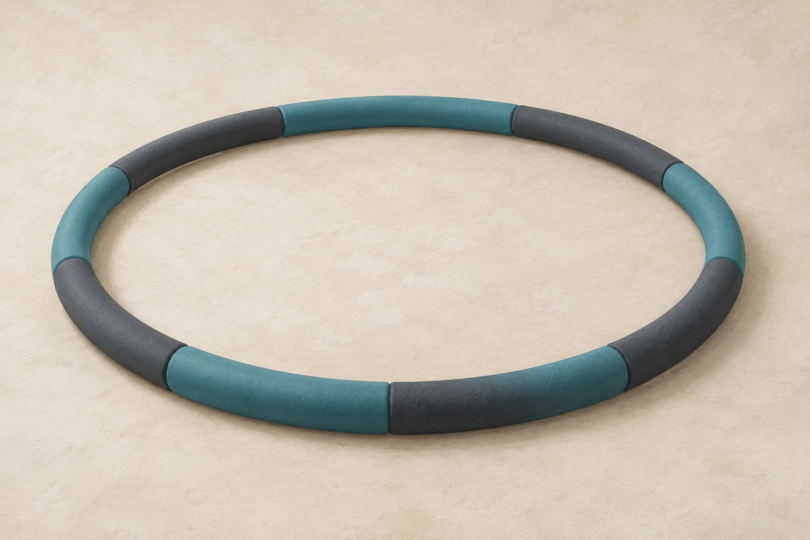
Image note: Generic weighted exercise-hoop illustration; no particular weight, workout result or weight-loss effect is represented.