Jeep TJ rocker panel covers are cosmetic or surface-protection parts; do not assume they perform like load-bearing rock sliders. Start by deciding whether you want to cover a sound painted panel, protect against ordinary scuffs, or prepare the vehicle for contact with rocks off road.
Those needs call for different products. A plastic trim cover should never be treated as a jacking point or a substitute for repairing corroded bodywork.
A documented option: Rugged Ridge 11650.05
The Rugged Ridge 11650.05 kit is a pair of black, diamond-textured thermoplastic rocker-side covers listed for 1997–2006 Wrangler TJ applications. It is an appearance and paint-protection accessory, not a load-rated rock slider.
The manufacturer’s 11650.05 instructions show both adhesive tape and hardware securing the lower edge. They also explain that reinstalling the factory flare extensions can require drilling the fitted armor. Do not assume this is a universal tape-only installation.
Potential use: covering a sound rocker panel where you want a textured black finish. Check first: the exact TJ body, flare-extension arrangement and any existing steps. Do not assume it fits the longer Unlimited/LJ; ask the manufacturer when the application is uncertain.
As an Amazon Associate we earn from qualifying purchases.
The separate Bushwacker TrailArmor 14002 system has its own instructions and flare compatibility. Do not transfer its fitment or installation method to this Rugged Ridge kit.
Fitment checklist
- Vehicle identity: confirm model year and body version. Do not order a JK or JL part because it is also labeled “Wrangler.”
- Body length: ask explicitly about an Unlimited/LJ if that is your vehicle; do not infer compatibility from a regular-TJ photograph.
- Flares and steps: check whether existing flares, rock rails or side steps occupy the same mounting area.
- Left and right pieces: verify the kit contents and each panel’s orientation before exposing adhesive.
- Finish and material: confirm whether the kit is paintable and which preparation products its instructions permit.
Inspect the body before covering it
Clean and inspect the rocker area first. Bubbling paint, loose scale, holes or soft metal need assessment before a cosmetic cover goes on. Hiding deterioration makes it harder to inspect later and does not restore strength.
If corrosion is significant or close to structural or mounting areas, have a qualified body shop assess the repair. Do not drill or fasten into weakened metal merely to make a cover stay attached.
Covers versus rock sliders
For rock contact, evaluate a purpose-built slider’s documented mounting, material and supported vehicle application. Ask its manufacturer about the specific use you expect. Avoid claims such as “heavy duty” when no useful load or intended-use information accompanies them.
For ordinary appearance and scuff coverage, a correctly fitted cover may meet the brief without the weight and installation demands of a slider. The important point is choosing within the part’s stated function.
Installation and upkeep
Dry-fit the whole kit, check door and step clearance, and follow its adhesive preparation and cure instructions. Do not substitute generic adhesive or hardware without manufacturer approval. After installation, keep edges and drain paths clear and inspect for lifting, trapped debris or new corrosion.
Bottom line: buy by exact fitment and intended protection, not the number of pieces in a ranking. A cover can improve a sound panel’s appearance; rust repair and rock-impact protection require separate decisions.
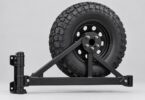
Image note: AI-generated editorial illustration of a rocker-panel cover; not an exact product or fitment reference.