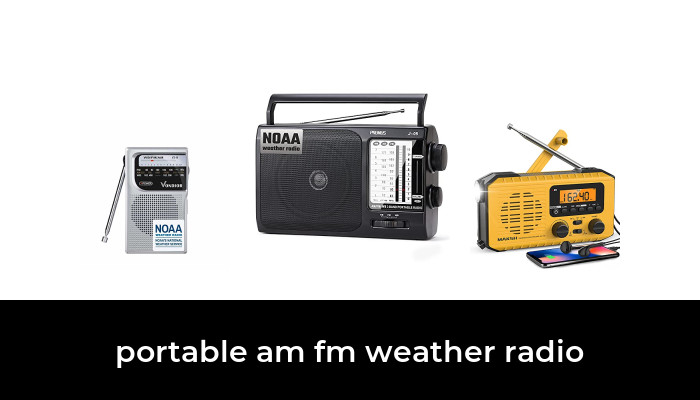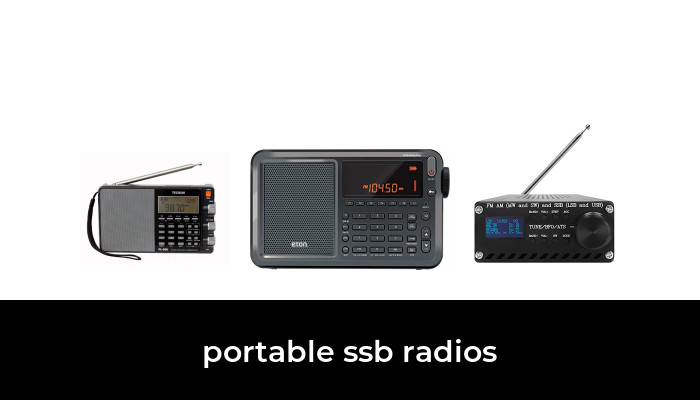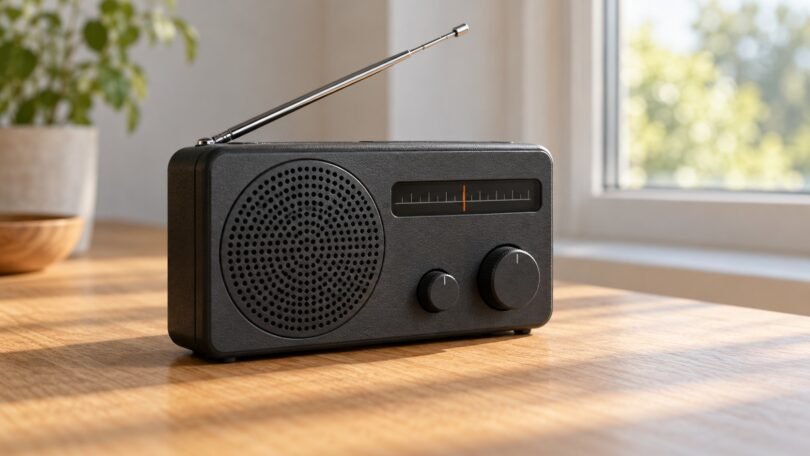

A small transistor radio should be easy to carry, simple to tune and suited to the way you listen. A built-in speaker matters around the house; FM stereo and station presets are more useful if you mainly use earphones. Start with these three compact AM/FM models, then check the exact version and included accessories.
Which small radio fits your needs?
- Sony ICF-P27: a straightforward choice for a built-in speaker and manual tuning.
- Sangean DT-160, white: a pocket receiver for earphone listening, digital tuning and presets.
- Panasonic RF-P50DGC-S: a slim dial-controlled model with a mono earphone connection; the specifications below refer to Panasonic’s Australian-market version.
All three use two AA batteries. The manufacturer-listed packages exclude batteries; check the contents if a seller offers an accessory bundle. None of the listed specifications should be read as a promise that a distant station will come in at your home. Reception depends on the signal and where you use the radio.
1. Sony ICF-P27: simple speaker listening
The ICF-P27 combines a built-in mono speaker with an analog-style tuning dial and an LED tuning indicator. It is an uncomplicated option if you want to turn a control, find a local station and listen without using a screen or storing presets.
- Bands: FM 87.5–108 MHz and AM 530–1,710 kHz.
- Power: two AA batteries, not included.
- Headphones: a 3.5 mm jack, with mono sound delivered to both sides of stereo headphones.
- Size: approximately 69.5 × 119 × 38 mm, width × height × depth.
- Antennas: telescopic for FM and an internal ferrite antenna for AM.
The main trade-off is the mono output: plugging in stereo headphones does not turn it into an FM-stereo receiver. Match the model number carefully, since older ICF-P26 listings are easy to confuse with it. Sony’s product page and specification sheet describe these features.

Sony ICF-P27 Portable AM/FM Radio, Black
As an Amazon Associate we earn from qualifying purchases.
2. Sangean DT-160: presets and FM stereo through earphones
The white DT-160 is the better fit here if you want a small earphone receiver with a frequency display and station memories. It has digital tuning, 15 presets, a stereo/mono setting and a 90-minute automatic shut-off. It is designed for earphone listening rather than playing a station through a built-in speaker.
- Bands: FM 87.5–108 MHz; AM 520–1,710 kHz with 10 kHz steps, or 522–1,710 kHz with 9 kHz steps.
- Power: two AA batteries, not included.
- Headphones: 3.5 mm stereo jack; the manufacturer lists included earbuds.
- Size: Sangean’s US listing gives approximately 63.2 × 101.2 × 19.9 mm.
- Reception detail: the earphone cable serves as the FM antenna, so keep it extended rather than tightly coiled.
See the white DT-160 at Sangean for its US specifications. The manufacturer’s manual pack explains tuning steps and antenna use. Check regional specifications if buying an import; Sangean’s regional listings do not all give the same dimensions.

3. Panasonic RF-P50DGC-S: a slim dial-controlled alternative
The RF-P50D combines a large tuning scale with automatic frequency control. Panasonic describes the tuner as digital, even though you select stations with a physical dial. It is a useful reminder that the appearance of a tuning knob does not identify the radio’s internal circuitry.
- Bands: FM 87–108 MHz and AM 520–1,730 kHz in the linked manual.
- Power: two AA batteries, not included.
- Listening: built-in speaker and a 3.5 mm mono earphone connection.
- Size: approximately 69.5 × 117.4 × 29.7 mm.
- Included earphone: the Australian-market manual lists a monaural earphone; check the box contents for another regional package.
Its mono connection is a reason to check your preferred earphones before buying. Do not assume it behaves like the Sony’s documented mono-to-both-ears output. Compare the exact model suffix using Panasonic’s product page and its operating instructions.
What to check before buying a pocket radio
Speaker or earphones?
Choose the Sony or Panasonic if you need sound without wearing anything. Choose the Sangean if earphones are your normal listening method and you want FM stereo. A headphone socket tells you where audio comes out; it does not, by itself, tell you whether the signal is stereo.
Dial or presets?
A dial is convenient when you mostly stay on one station. A display and presets make more sense if you switch frequently or need to return to a precise frequency. Think about the controls you will actually use rather than buying a larger feature list.
Battery type and replacement supplies
These models use replaceable AA cells, so allow for batteries when comparing the package contents. Do not assume a radio can recharge cells inside it. If you want USB charging, choose a model whose manufacturer explicitly documents that feature.
Dimensions and regional versions
Check depth as well as height. A radio may fit a jacket pocket while feeling bulky in a shirt pocket. Use the dimensions for the exact market version, and keep the model suffix, color and any accessory bundle separate when comparing listings.
How to give reception a fair chance
Try your main station in the place where you plan to use the radio. For the Sony, extend and adjust the FM antenna; for AM, rotate the radio because the antenna is inside the case. With the Sangean, the connected earphone lead is part of the FM antenna system.
Move the radio away from nearby electronics if you hear interference. Panasonic’s manual specifically warns that mobile phones can interfere and recommends increasing the distance between them. A different position can help, but neither a long antenna nor digital tuning guarantees a particular station.
If receiving one weak station is essential, buy from a seller whose return terms let you check reception at your location. Do not use a claimed mileage range or an unsourced “best reception” label as a substitute for that check.
Common questions
Does “digital tuning” mean DAB or HD Radio?
No. The models above are listed as AM/FM receivers. A digital tuning system or frequency display does not establish support for another broadcast standard. Look for the specific band or service in the manufacturer’s specifications.
Will these provide automatic weather alerts?
Do not buy these three AM/FM models on that assumption. If alerts are the purpose, look specifically for a weather-alert receiver and verify the alert functions for your location.
Which is the simplest starting point?
The Sony ICF-P27 is the most direct fit for someone wanting a speaker, a tuning dial and a clearly documented headphone output. The Sangean DT-160 makes more sense for private listening with presets. The Panasonic is worth comparing if its thinner body and regional package suit your needs.