
For occasional firewood cutting, start by comparing the EGO POWER+ CS1804 battery kit. For longer outdoor sessions away from an outlet, consider the Husqvarna 455 Rancher. For small, occasional jobs within extension-cord reach, the Oregon CS1500 is the corded alternative. The right choice depends on the wood, your experience and how you will power the saw.
This shortlist compares manufacturer specifications, package contents and operating limits. It does not rank timed cutting tests. The scope is cutting supported logs into firewood lengths; tree felling, storm-damaged trees and tensioned wood call for skills beyond a shopping guide. Get training or professional help when the job exceeds your ability.
Compare the three firewood saws
| Saw selection | Power and package | Best fit to compare | Main tradeoff |
|---|---|---|---|
| EGO POWER+ CS1804; 18-inch bar | 56V cordless; one 5.0Ah battery and standard charger | Occasional cutting without a power cord | Plan charging and battery capacity for the job |
| Husqvarna 455 Rancher; 20-inch bar; SKU 970 61 32-60 | 55.5cc gasoline saw | Repeated outdoor cutting away from electricity | Fuel handling, engine upkeep and substantial carrying weight |
| Oregon CS1500; 18-inch bar | 15A corded electric; one saw | Occasional light-duty cutting near a suitable outlet | Cord management; not a large-log or tree-service saw |
1. EGO POWER+ CS1804: the cordless starting point
The CS1804 kit is the one we would compare first if avoiding a trailing cord and gasoline-engine upkeep matters more than continuous refueling. Its 18-inch bar and tool-free chain-tensioning dial make it a full-size rear-handle option for occasional woodcutting. The kit includes one 56V 5.0Ah battery and a standard charger.
Check the final model number carefully: CS1800 is the bare saw, CS1803 has a 4.0Ah battery, and CS1804-2 is a two-battery package. This recommendation is the single-battery CS1804. Existing EGO owners may prefer the bare tool, but a first-time buyer needs a compatible battery and charger.
Battery runtime is the main planning limit. Do not turn a maker’s construction-lumber cut count into a promise about a pile of firewood. Also budget for bar-and-chain oil: EGO says it is not included. A cordless motor does not remove sharpening, tension checks or lubrication from the job.

EGO POWER+ CS1804 18-inch chainsaw kit with one 5.0Ah battery and charger
As an Amazon Associate we earn from qualifying purchases.
2. Husqvarna 455 Rancher: for repeated outdoor cutting
Compare the 455 Rancher in its current 20-inch configuration when your cutting area is far from mains power and you want a gasoline saw. The selected manufacturer package is SKU 970 61 32-60 with a 55.5cc engine. A side-mounted tensioner and adjustable oil pump are useful maintenance features; they do not make maintenance optional.
Handling is the tradeoff to weigh before buying. Husqvarna lists 13.2 pounds excluding cutting equipment, so that figure is not its fully equipped working weight. Try the saw’s balance with the correct bar and protective equipment at a dealer. A larger saw is a poor upgrade if you cannot control it comfortably through the whole job.
Follow the manual supplied for your exact saw for fuel, starting and maintenance. Use it outdoors with ventilation, and never refuel a running or hot saw. The ability to refuel between sessions is convenient, but fuel storage, starting procedure and engine care add responsibilities that the electric options avoid.
3. Oregon CS1500: for occasional cutting near an outlet
The Oregon CS1500 pairs a 15A corded motor with an 18-inch bar, automatic oiling and tool-free tensioning. Its distinguishing feature is PowerSharp, an on-saw sharpening system. It makes sense to compare for a modest pile of smaller firewood near a suitable power supply, especially if you would rather manage a cord than batteries or fuel.
The linked Oregon manual calls this an occasional light-duty saw and says it is not intended for large trees, large-diameter logs or tree service. It sets a 17-inch effective cutting-length limit; that is a ceiling, not a recommendation to work routinely at that size. Choose another tool or professional assistance for a job outside those limits.
Use an outdoor-rated extension cord of the size and length specified in the manual, keep it clear of the cutting path, and do not operate in wet conditions. Check that replacement chain and sharpening components match the CS1500’s system. PowerSharp changes how the chain is sharpened; it does not make the saw maintenance-free.
What to check before choosing
- Match the job and your handling ability. Consider typical log size, cutting frequency, footing and where the wood will be supported. A longer bar is not proof of faster cutting or a better choice for every operator.
- Price the complete setup. Include the correct battery and charger or outdoor extension cord, bar-and-chain oil, replacement cutting parts, and protective equipment. Compare the whole setup rather than the bare-tool label.
- Keep replacement parts specific. Follow the maker’s bar, chain and sharpening instructions. Match the actual saw and fitted cutting equipment; nominal bar length alone does not establish compatibility.
Safety checks matter more than the power source
Read the complete manual before using any saw. The EGO instructions require two hands with the right hand on the rear handle and the left on the front. They also warn against overreaching, cutting above shoulder height and relying only on built-in safety devices. Keep the bar tip away from objects: tip contact or a pinched chain can cause kickback.
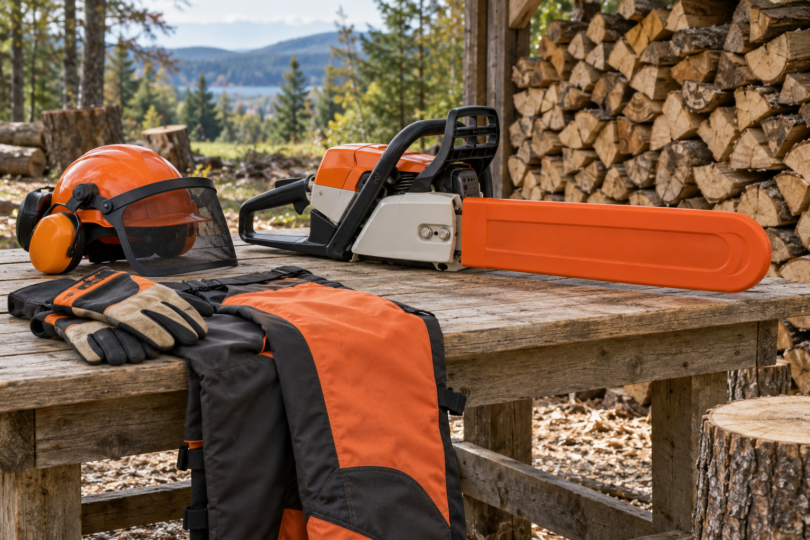
OSHA’s general chainsaw safety guidance covers hand, foot, leg, eye, face, hearing and head protection, along with checks of controls, chain tension and lubrication. Choose chainsaw-appropriate equipment for your saw and follow its instructions. Husqvarna explicitly notes that protective equipment cannot provide complete protection from injury. Ordinary work gloves alone are not a protective kit.
Before clearing a jam, adjusting or cleaning, isolate the power as the manual directs: remove the EGO battery, unplug the corded saw, or stop the gasoline engine. Do not hold wood with one hand while cutting with the other. If logs can roll, bind or spring under tension, stop until the support and cutting plan are safe.
Frequently asked questions
Is battery or gas better for firewood?
Battery power is worth comparing for occasional jobs when you can plan charging. Gas is an option for repeated outdoor cutting away from electricity if you are prepared for fuel handling and engine maintenance. Neither power source makes a saw safe without training, correct support and protective equipment.
Is an 18-inch bar enough?
Bar length alone cannot settle the choice. Match the saw’s documented limits, the log and your experience. For example, Oregon’s 18-inch CS1500 is explicitly limited to occasional light-duty work and a 17-inch effective cutting length.
Does an electric chainsaw still need oil?
Yes. These electric choices still lubricate the bar and chain. Check the reservoir and follow the oil instructions; the EGO kit does not include bar-and-chain oil.