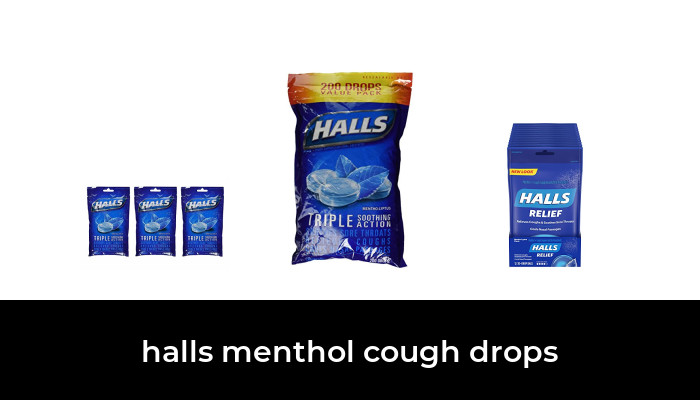

Halls menthol cough drops can temporarily ease a cough associated with a cold and minor throat discomfort. The important detail is the exact product: different Halls flavors, package formats, and sugar-free versions can contain different amounts of menthol and have different directions. Check the Drug Facts panel on your own package before taking a drop.
This guide covers selected U.S. labels. It explains what those labels say, how to compare formulations, and when a cough or sore throat needs medical attention.
What Halls menthol cough drops do
The menthol formulations discussed here list menthol as both a cough suppressant and an oral anesthetic. Their labeled purpose is short-term symptom relief. For example, the Halls Mentho-Lyptus label covers cold-related coughing and occasional mild irritation or soreness of the throat.
A soothing or cooling sensation does not tell you what caused your symptoms. It also does not establish that an infection is improving. The CDC explains that over-the-counter cold remedies can relieve symptoms but do not cure the illness. Persistent symptoms deserve attention even if a lozenge briefly makes your throat feel better.
How much menthol is in Halls?
There is no single menthol strength for the entire brand. These examples show why matching the flavor alone is insufficient:
- Mentho-Lyptus, NDC product code 12546-112: the listed bag formulation contains 5.4 mg per drop.
- Honey Lemon, NDC 12546-110: the regular Honey Lemon formulation contains 7.5 mg per drop.
- Cherry in the Mentho-Lyptus/Honey Lemon/Cherry variety pack: the 2026 variety-pack label lists 5.8 mg per Cherry drop, alongside 5.4 mg Mentho-Lyptus and 7.5 mg Honey Lemon drops.
- Cherry stick, NDC 12546-333: a separate Cherry label lists 6.8 mg per drop.
- Sugar Free Honey Lemon Minis, NDC 12546-347: the Minis label lists 2.5 mg per drop. Its directions differ from the regular-size products.
These are formulation examples, not a ranking. A higher number does not by itself establish that a product will work better for your symptoms. Do not combine several lower-strength drops to imitate another product’s strength. Use the directions that belong to the package you have.
Read the directions before opening the wrapper
For the regular Honey Lemon example above, the label directs adults and children aged five and older to let one drop dissolve gradually in the mouth, with another dose after two hours if needed. It instructs caregivers to ask a doctor about use below age five.
The Sugar Free Honey Lemon Minis example instead directs people aged five and older to dissolve two drops consecutively, one at a time, and repeat after two hours if needed. A smaller drop therefore does not mean the same number of drops per dose.
The FDA’s Drug Facts guide is useful when comparing packages. Check these sections in order:
- Active ingredient: identify the medicine and the amount in each drop.
- Uses and warnings: confirm that the product fits your symptoms and check reasons to seek advice.
- Directions: check the age range, number of drops, and interval between doses.
- Other information and inactive ingredients: look for allergens, sweeteners, and additional cautions.
Keep the outer package until you finish using the product. An individual wrapper may not provide the full instructions. Manufacturers can change ingredients or labeling, so a familiar package still deserves a fresh look.
Sugar-free versions and ingredient sensitivities
Sugar-free does not mean unlimited use. The Honey Lemon Minis label includes isomalt and sucralose, states that each drop provides fewer than five calories, and warns that excessive consumption can cause a laxative effect. It also declares soy.
The regular Honey Lemon label lists glucose syrup, sucrose, honey, sucralose, and soy lecithin among its inactive ingredients and states that the product contains soy. Someone avoiding sugar or a particular ingredient should check the specific formulation rather than rely on flavor names.
Mentho-Lyptus also declares soy and lists eucalyptus oil as an inactive ingredient. If you have a food allergy or have reacted to a lozenge before, have a pharmacist review the complete label with you. Flavor, color, and pack size are poor substitutes for that ingredient check.
When to ask a clinician before using cough drops
The Cherry stick label says to consult a doctor before use for a longstanding cough, including one associated with smoking, asthma, or emphysema, or a cough producing a lot of mucus. Repeatedly buying lozenges should not replace evaluation of a continuing cough.
If you take several medicines, show your pharmacist the actual products. The FDA advises comparing active ingredients across OTC medicines to avoid inadvertently taking too much of the same ingredient. That check is especially useful when cough drops accompany a multi-symptom cold medicine.
For young children, ask their clinician which option is appropriate. Although the selected Halls labels begin their directions at age five, current CDC guidance advises against OTC cough and cold medicines below age six and says not to give lozenges to children under four. A product’s printed age range is only one part of deciding whether it is suitable for a child.
Symptoms that should not be covered up with another drop
The Cherry label’s warnings call for prompt medical advice if a severe sore throat occurs, a sore throat lasts beyond two days, or symptoms include fever, headache, rash, swelling, nausea, or vomiting. Stop use and consult a doctor for coughing beyond one week, recurring coughing, or coughing with fever, rash, or a continuing headache. Persistent or worsening mouth irritation also needs attention.
Get emergency help for difficulty breathing, inability to swallow, drooling because swallowing is too difficult, or severe symptoms that deteriorate rapidly. These are among the urgent sore-throat warning signs described by University Hospitals Sussex. Do not try to manage swallowing difficulty with a hard lozenge.
Frequently asked questions
Can Halls cure a cold?
No. Menthol drops are intended for temporary relief. Rest, fluids, and other appropriate comfort measures can help while you recover. People at higher risk from flu or COVID-19 should contact a clinician promptly about new respiratory symptoms because treatment can be time-sensitive.
Are all Cherry or Honey Lemon Halls the same?
No. The examples above include two Cherry strengths and a Honey Lemon Minis formulation with different dosing. Match the full product name and Drug Facts panel, not just the flavor.
Should I choose the strongest menthol drop?
Start with suitability and the label’s directions rather than a strength contest. A pharmacist can help compare options if you are unsure. Needing frequent relief or having worsening symptoms is a reason to reassess the illness rather than keep increasing the amount.
Image note: Examples from the product category; pictured models and variants may differ from the options discussed.