
The best bike for a teenager is the one that fits their current body and the places they actually ride. Start with height, inseam, comfortable reach, and brake-lever control. A birthday, wheel diameter, or frame label alone cannot settle the choice.
Three useful starting points are the woom EXPLORE 6 for a smaller teen, the Cannondale Quick 6 for paved everyday rides, and the Specialized Rockhopper Sport for a rider who genuinely needs a mountain bike. They serve different purposes, so this is a shortlist to try rather than a universal ranking.
Research checked October 4, 2026. This guide compares published manufacturer information and official safety advice. We have not ridden or durability-tested these bikes. Confirm the exact regional specification, size, availability, and complete purchase cost with the seller.
Three bikes to compare
| Bike | Useful starting point | Verified specification | Main buying check |
|---|---|---|---|
| woom EXPLORE 6, U.S. version | Smaller teen needing youth-specific controls | 26-inch wheels; eight gears; hydraulic disc brakes | Published rider height: 55–65 inches |
| Cannondale Quick 6, C31601M | Paved paths and everyday riding | 700c wheels; 3×7 drivetrain; rim brakes | Exact frame size and reach must fit |
| Specialized Rockhopper Sport, linked current specification | Recreational off-road riding | Aluminum frame; Shimano CUES nine-speed drivetrain; hydraulic disc brakes | Frame and wheel-size combination varies |
1. woom EXPLORE 6: youth-specific fit
The U.S. woom EXPLORE 6 page lists a 55–65-inch rider-height range and a maximum rider weight of 175 pounds. Its adjustable stem and child-specific brake levers make it a sensible candidate when an adult bike’s cockpit feels too large.
Why consider it: the rigid fork and single front chainring keep the setup relatively straightforward. The manufacturer publishes a 26.2-inch standover height and 29.9-inch minimum saddle height, useful measurements to discuss during a fitting.
Limitation: a teen near the upper height boundary may soon need something larger. Do not confuse the minimum saddle height with the required inseam, or assume the published height range guarantees a comfortable reach. U.S. and international product pages list different measurements and limits; use the manual for the actual bike being sold.
2. Cannondale Quick 6: a pavement-focused option
The Quick 6 specification for model C31601M lists an aluminum frame, rigid chromoly fork, 700×35c tires, and rack and fender mounts. It is worth considering when the ride is mainly paved and an adult-sized hybrid fits the rider.
Why consider it: practical mounting points give a shop options for adding carrying capacity or weather protection. The flat handlebar is a familiar layout for general riding.
Limitation: its triple-chainring drivetrain requires front and rear shifting. Have the teen try both controls rather than treating a bigger gear count as an automatic advantage. Confirm the supplied version: the same model name can appear on bikes from different years with different components. Reflective details also do not replace lights.
3. Specialized Rockhopper Sport: for off-road plans
The Rockhopper Sport specification includes an SR Suntour XCM suspension fork and 2.35-inch Ground Control tires. The listed XS and S 27.5-inch configurations have standover heights of 658 mm and 695 mm respectively; other frame and wheel combinations differ.
Why consider it: it provides a mountain-bike platform for a rider planning appropriate recreational trails. The single front chainring avoids a front shifter.
Limitation: suspension is an extra component to set up and maintain. It is worth paying for only when it suits the intended riding. Neither a mountain-bike label nor disc brakes authorize jumps or every trail: consult the manufacturer’s terrain-use limits and have a shop check setup for the rider.
How to get the size right
Cannondale’s sizing guidance separates frame fit from wheel size and recommends checking the model’s sizing information. Use that approach across the shortlist:
- Measure first. Record current height and cycling inseam, then follow the exact manufacturer’s measuring instructions. Clothing sizes and a sibling’s bike are poor substitutes.
- Check the whole position. At a shop, assess standover clearance, saddle adjustment, reach to the grips, and comfortable access to both brakes. A lowered saddle cannot correct every oversized frame.
- Try a controlled test ride. Use the shop’s designated area, a helmet, and appropriate adult supervision. The rider should be able to start, steer, brake, and stop comfortably before committing.
- Plan for growth without sacrificing today’s fit. Ask how much safe adjustment remains. If the larger size already feels awkward, choose the better-fitting size rather than hoping it becomes manageable later.
Budget for a ready-to-ride bike
Compare the total package: professional assembly, helmet, lights, lock, pump, and any initial adjustment service. Ask whether the seller checks wheel retention, brake setup, shifting, and fasteners before collection. For an online purchase, find out who will assemble and inspect it before the first ride.
A used bike can be worth considering, but add an inspection and likely replacement consumables to the cost. A bargain loses its appeal if the frame does not fit or essential parts cannot be serviced locally.
Safety comes before extra features
NHTSA recommends a properly fitting helmet on every ride, a bike that fits and works correctly, visible clothing, and suitable lights and reflectors for poor visibility. Choose lower-traffic routes and practice away from traffic before road riding. Parents should agree on routes, supervision, and boundaries based on the teen’s judgment and experience.
Review the owner’s manual together and arrange qualified instruction when needed. Keep laces and loose clothing clear of moving parts, and put away phones while riding. Check local riding rules rather than assuming sidewalks, roads, and shared paths have identical requirements.
Frequently asked questions
Is a 26-inch bike right for every teenager?
No. That describes wheel size. Height, inseam, frame geometry, and control reach determine whether the complete bike fits.
Should a teenager get a hybrid or mountain bike?
Choose around the usual route. A pavement-focused hybrid is a useful first comparison for everyday paths; a mountain bike deserves consideration when appropriate off-road riding is a real part of the plan.
Can an adult bike fit a teen?
Yes, when the correct frame size and controls suit them. The rider’s measurements matter more than whether the listing says adult or youth.
Bottom line: try these bikes as different fit-and-use options. A comfortable, controllable bike with proper setup is a better purchase than extra features on the wrong size.
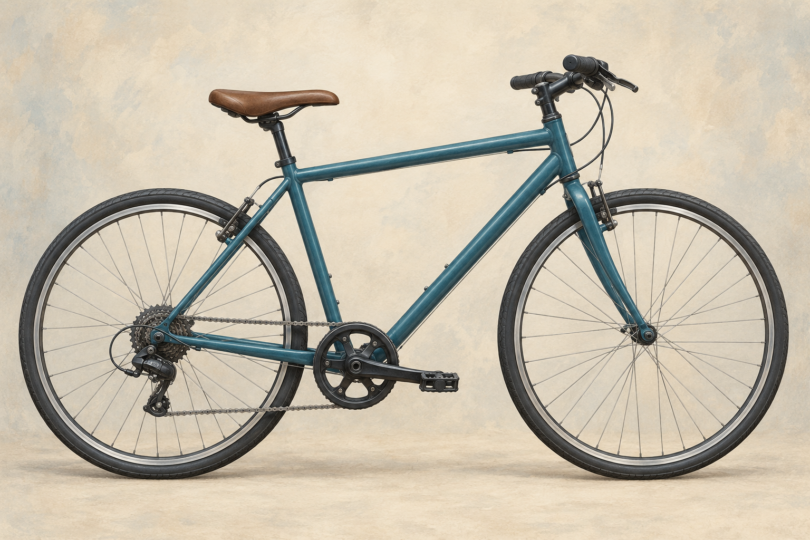
Image note: Generic bicycle illustration for a teen-bike buying guide; correct fit and suitability depend on the rider and the specific bicycle.