

Archive: May 2020. Banked’s seed round was an early bet on using open banking for everyday payments. The funding figures and product descriptions below refer to that period.
London payments startup Banked raised a further £2.35 million in seed funding in May 2020 as it brought its account-to-account payment service out of beta. The company wanted merchants to receive money directly from customers’ bank accounts, with a checkout experience built around the banking services those customers already used.
The funding and its intended use
Force Over Mass led the round, joined by Backed, Acrew Capital and private investors including the family office of Indeed co-founder Paul Forster. The investment brought Banked’s reported funding total to £5.35 million. FinSMEs’ May 6 report said the money would support commercial partnerships and expansion across Europe.
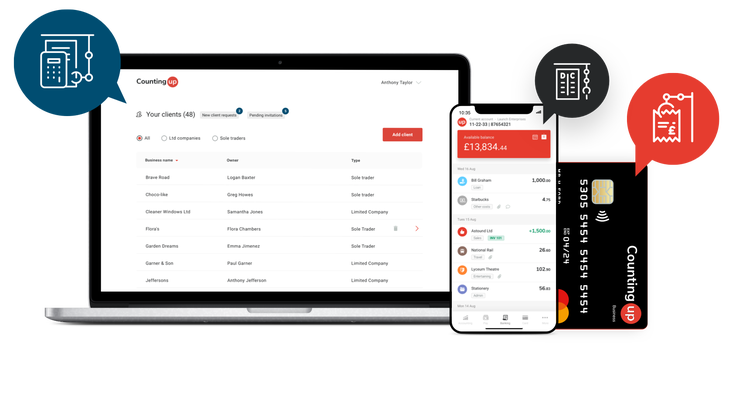
Founded in 2018 and led by chief executive Brad Goodall, Banked was offering software that businesses could integrate into their own customer journeys. Contemporary reporting described payment requests through apps, customer portals, invoices and messages, rather than a service confined to one online shop.
What account-to-account meant at checkout
Banked’s April 14, 2020 explanation described a payment that the customer approved inside their banking app. Banked facilitated the connection between accounts; the transaction did not need to use a card as its payment method.
The company placed this model within the open-banking framework enabled by the revised Payment Services Directive, commonly called PSD2. It said it was connected to major UK banks and working toward further European coverage. Those were statements about its network and plans at the time, rather than a current list of supported banks.
For background, the Financial Conduct Authority’s explanation of payment-initiation services distinguishes them from account-information services. The former initiate payments; the latter bring account information together. The FCA also emphasizes explicit customer consent. Its linked guidance is maintained over time and is included here to explain the terminology, not to certify Banked’s historical or current permissions.
The direction of the payment is important: money leaves the payer’s account, meaning the customer’s, and goes to the payee, meaning the merchant or other recipient. Approval through a bank is not a general authorization for a business to take whatever amount it chooses.
The attraction for merchants
Contemporary launch reporting put Banked’s processing charge at 0.1%. That is a historical advertised rate, not a present-day quote. The company also promoted fast settlement as a way to reduce the time between a sale and receipt of funds.
The commercial logic was straightforward. Lower processing costs could improve the economics of a transaction, while faster receipt of money could help with cash flow. Whether those benefits materialized for a particular merchant would depend on the actual contract, the payment working successfully and customers choosing to use it. A headline fee alone could not establish the complete cost or performance of a payments service.
An early use case beyond retail
A May 1 company post about HEROES described Banked building a donation checkout for the initiative supporting NHS workers. It also discussed work on an interface for payments to workers through a small-grants program. The example showed why the startup was interested in both collecting and distributing money. The post described work underway, not independently verified delivery of every planned feature.
The question the seed round left open
Banked’s proposition depended on adoption as well as payment infrastructure. Merchants needed an integration that fit their operations; customers needed a reason to choose a bank-payment option and confidence in the approval process.
The £2.35 million round supported that early commercial effort. It did not, on its own, demonstrate widespread use, prove comparative fraud-reduction claims or establish that card payments would be displaced.